Knee & sports medicine · Bullitt County, KY

ACL reconstruction in Mt. Washington, KY

An ACL tear can happen during a pivot, sudden stop, or awkward landing. At Aptiva Health, start with local knee injury care and explore a personalized plan—from physical therapy to reconstruction when appropriate.

Non-emergency knee injury evaluations, X-ray, and rehabilitation in Mt. Washington; surgery at Louisville-area facilities.

Educational 3D illustration of a reconstructed ACL tendon graft inside the knee joint Procedure illustration
Reconstruction uses a tendon graft to help restore knee stability. Conceptual illustration.
Same-day injury careWalk-in knee evaluation & X-ray
Options that fit youSurgery or non-surgical care
Rehab close to homeMt. Washington & Louisville

Understanding an ACL injury

What happens when the ACL tears?

The anterior cruciate ligament (ACL) helps stabilize the knee during turns, sudden stops, and landings. A tear may cause swelling, discomfort, and a feeling that the knee gives way, especially when changing direction.

Not every ACL tear requires surgery. Your care team considers knee stability, other injuries, your activity goals, and how you respond to rehabilitation.

How surgery works

Understanding the tear and the graft.

ACL reconstruction replaces a torn ligament with a graft to help stabilize the knee. These illustrations explain the goal of the procedure.

ACL tear — simplified knee anatomy

Before reconstruction

Torn ACL

A torn ACL can leave the knee feeling unstable, particularly with turning, cutting, and sudden changes in direction.

ACL reconstruction with a tendon graft — simplified knee anatomy

After reconstruction

New ligament graft

A tendon graft is positioned between the thighbone and shinbone to provide a new stabilizing connection as it heals.

Simplified educational illustrations—not exact surgical anatomy, individual results, or a promise of stability.

Choosing a care plan

Do you need ACL surgery?

Not everyone with an ACL tear needs reconstruction. Your care team considers instability, activity goals, other knee injuries, and your response to physical therapy.

01 / ACTIVE GOALS

Returning to pivoting sports

People aiming to return to sports with cutting, jumping, or quick direction changes may consider reconstruction.

02 / NON-SURGICAL CARE

Bracing & physical therapy

Some people can manage daily activities with rehabilitation and a brace without an operation.

03 / KNEE INSTABILITY

When the knee gives way

Repeated buckling is an important reason to discuss further evaluation and the benefits and tradeoffs of surgery.

Your Mt. Washington care journey

Local evaluation. Coordinated recovery.

Start with walk-in injury care and on-site X-ray, then move through imaging, specialist consultation, and rehabilitation with the Aptiva team.

01

Start with a knee evaluation

Visit Aptiva Mt. Washington for walk-in injury care for non-emergency knee injuries. X-rays are available on site, when appropriate.

02

MRI & preparation when needed

Kayla Troutman, PA-C and Michael Gilbert, PA-C can help coordinate MRI at the Newburg Road imaging center (physician referral required) and pre-surgical therapy.

03

Discuss surgery with Dr. Smith

J. Steve Smith, MD reviews knee stability, activity goals, and graft options. When selected, ACL reconstruction is performed as outpatient surgery at a Louisville-area surgical facility.

04

Rehabilitate close to home

Physical therapy is available at Mt. Washington and Aptiva’s Louisville clinics, including Middletown sports rehabilitation. Return-to-sport testing helps guide clearance.

Procedure & rehabilitation

A new graft. A gradual return to activity.

During ACL reconstruction, a surgeon replaces the torn ligament with a tendon graft—often using the patient's hamstring or patellar tendon, with other graft options considered as appropriate. The operation is typically performed arthroscopically through small incisions, and many patients go home the same day.

If a meniscus injury is also present, it may be addressed during the same procedure. Rehabilitation typically begins soon after surgery under the team's guidance, with exercises and activities progressing over several months.

Recovery timelines vary. Rehabilitation often continues for 6–9 months or longer, and a return to competitive pivoting sports may take 9–12 months or more. Your surgeon and therapist use functional testing—not just a calendar—to guide clearance.

Outpatient surgeryACL reconstruction is commonly performed as a same-day procedure at a Louisville-area facility.
Rehab begins earlyYour surgeon and physical therapist guide a staged rehabilitation plan after surgery.
Months of rebuildingStrength, motion, balance, and sport-specific progress may take 6–9 months or longer.
Testing before sportCompetitive return often requires 9–12 months or more, plus strength and functional testing.

Your Mt. Washington ACL care team

Orthopedic expertise. Close to home.

Meet the orthopedic surgeon and physician assistants who evaluate ACL injuries, discuss treatment options, and coordinate care and follow-up.
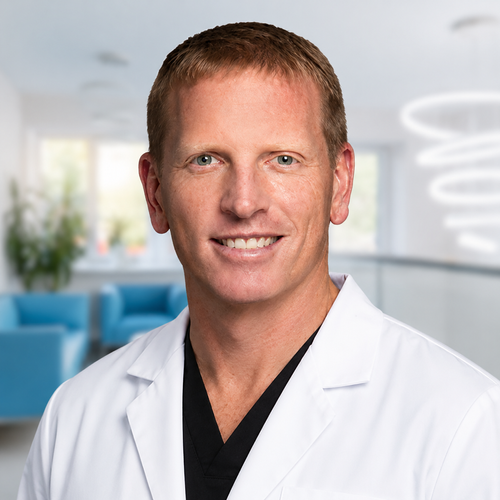
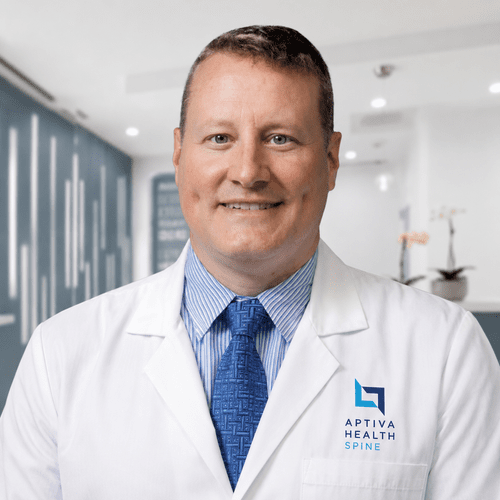
Kayla Troutman, PA-C, physician assistant at Aptiva Health

Kayla Troutman, PA-C

Physician Assistant

Kayla helps evaluate knee injuries and coordinates imaging, physical therapy, and non-surgical treatment at Mt. Washington.

See Kayla’s bio
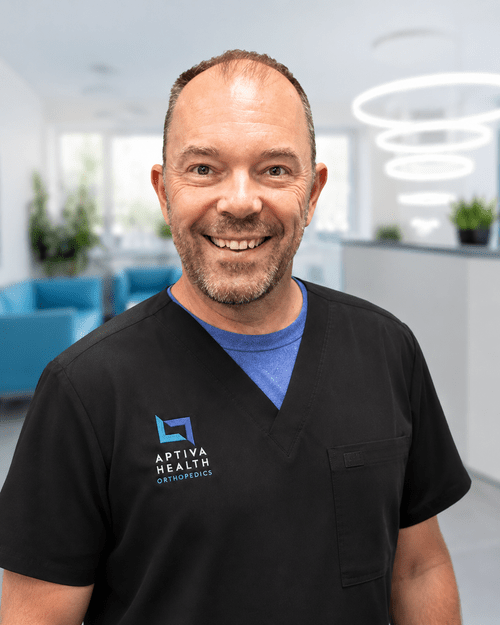
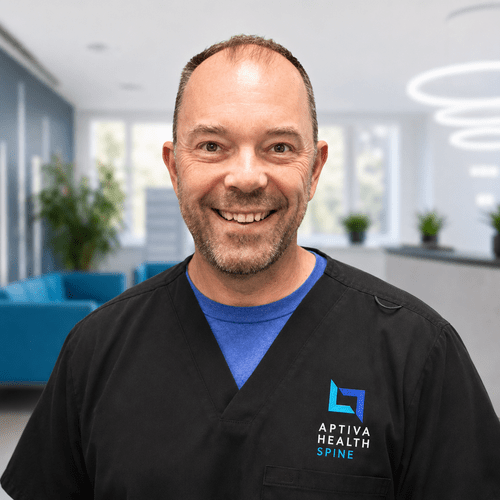
Michael Gilbert, PA-C, orthopedic physician assistant at Aptiva Health

Michael Gilbert, PA-C

Orthopedic Physician Assistant

Michael supports knee evaluations, coordinates diagnostic imaging, and helps patients understand treatment and follow-up options.

See Michael’s bio

Practical details

Imaging and insurance, made clearer.

Our Mt. Washington team can help coordinate imaging and coverage questions as you explore ACL treatment.

Where you’ll get imaging

X-rays are available at the Mt. Washington clinic. If an MRI is needed, Aptiva’s Newburg Road imaging center in Louisville offers MRI services, including a high-field open MRI.

3615 Newburg Road, Louisville, KY. A physician referral is required for MRI.

Coverage and payment options

Aptiva accepts most major insurance plans, workers’ compensation, and auto-injury claims. Contact the team to confirm your benefits.

Self-pay may be available for patients without insurance, for non-covered services, and on a case-by-case basis.

FAQs

Questions you may be asking.

Helpful starting points for your conversation with the orthopedic team.

How soon after an ACL injury should I be seen?

Prompt evaluation is helpful. Walk-in immediate injury care is available for non-emergency knee injuries at Mt. Washington Monday–Friday, 8 AM–4 PM. An exam and X-ray can be provided when appropriate.

Who performs ACL reconstruction for Mt. Washington patients?

J. Steve Smith, MD, Aptiva Health’s Director of Orthopedics, performs ACL reconstruction at Louisville-area surgical facilities.

When can I return to sports?

Rehabilitation often spans 6–9 months or longer. Competitive play, especially in pivoting sports, may require 9–12 months or more. Your orthopedic team assesses strength, stability, and functional testing before return-to-sport clearance.

Can my physical therapy be in Mt. Washington?

Yes. Physical therapy is available at Aptiva Mt. Washington and at Louisville-area clinics, including the Middletown sports rehabilitation clinic.

We’re here in Bullitt County

Your next step starts close to home.

Visit Aptiva Health Mt. Washington for knee injury evaluation, on-site X-ray, physical therapy, and guidance on ACL treatment and recovery.

Explore the Mt. Washington clinic
737 Mt. Washington Bypass, Suite 2Mt. Washington, KY 40047
502-909-0772Call to schedule specialty appointments
Walk-in hours: Mon–Fri, 8 AM–4 PMWalk-in immediate injury care; call ahead for orthopedic and surgical consultations.

Let’s talk about what comes next.

Educational content only. A licensed clinician can discuss the diagnosis and care options appropriate for your situation.

Knee & sports medicine · Bullitt County, KY

Meniscus surgery in Mt. Washington, KY

A torn meniscus can cause knee pain, swelling, catching, or locking. Our Mt. Washington orthopedic team helps you explore physical therapy, injections, and arthroscopic surgery when appropriate.

Knee evaluations, X-ray, injections, and physical therapy in Mt. Washington; surgery at Louisville-area facilities.

Medical illustration of a knee joint with a torn meniscus and an arthroscopic instrument near the damaged cartilage Procedure illustration
The meniscus cushions your knee. Treatment depends on the tear and your symptoms.
Local knee evaluationExam & on-site X-ray
Options before surgeryTherapy & injections
Follow-up close to homeMt. Washington care team

Understanding your knee

What is a meniscus tear?

The meniscus is a piece of cartilage that helps cushion the knee. Tears can happen after a twisting injury or develop gradually with wear over time. Symptoms may include knee pain, swelling, catching, or a feeling that the knee gets stuck.

Many meniscus tears can improve with non-surgical care. A knee that continues to lock, catch, or swell may need a closer look.

A closer look

Repair or trim? Two different approaches.

A surgeon may repair a meniscus tear with stitches or remove only the unstable portion. The choice depends on the tear’s location, tissue quality, and other factors.

Meniscus repair: sutures across a tear

Meniscus repair

Stitch the torn cartilage

Selected tears in the outer, better-supplied part of the meniscus may be repaired. Recovery usually involves more protection while the tissue heals.

Partial meniscectomy: unstable torn tissue removed

Partial meniscectomy

Trim the unstable portion

Some tears cannot be reliably repaired. The surgeon may trim the damaged inner edge while preserving as much healthy meniscus as possible.

Simplified illustrations for patient education only; not an exact depiction of any patient's knee or procedure.

Finding the right plan

Does every meniscus tear need surgery?

No. Your team considers your symptoms, exam findings, imaging, activity goals, and response to non-surgical treatment.

01 / FIRST OPTIONS

Physical therapy & injections

Many people with a meniscus tear improve with therapy and, when appropriate, an injection—without surgery.

02 / PERSISTENT SYMPTOMS

Catching, locking, or swelling

If knee symptoms continue, especially mechanical catching or locking, your provider may recommend further evaluation.

03 / TYPE OF TEAR

Repair vs. partial meniscectomy

Some tears can be stitched; others may require trimming. Dr. Smith discusses the options based on your individual knee.

Your care journey

Start in Mt. Washington. Stay connected.

From first evaluation through rehabilitation, Aptiva coordinates local knee care and specialty surgery when it is needed.

01

Exam and X-ray close to home

Begin at the Mt. Washington clinic with Kayla Troutman, PA-C or Michael Gilbert, PA-C. X-ray is available on site.

02

Explore non-surgical care

Physical therapy and injections are available in Mt. Washington. Your team can help you decide what fits your symptoms and goals.

03

Imaging and surgical consultation

If needed, MRI is offered at the Newburg Road imaging center (physician referral required). J. Steve Smith, MD evaluates surgical options.

04

Procedure and follow-up

When appropriate, Dr. Smith performs outpatient arthroscopy at a Louisville-area surgical facility. Physical therapy can continue at the Mt. Washington clinic or a Louisville location.

Arthroscopy & recovery

Recovery depends on repair or trim.

Meniscus surgery is usually performed with a camera and small instruments through small incisions. It is commonly an outpatient procedure at a Louisville-area facility, and the operation itself often takes under an hour.

After a partial meniscectomy, people may resume walking relatively soon. Meniscus repair typically requires a more protective recovery plan, with limits on weight-bearing or bending for several weeks.

These are general recovery ranges, not personal instructions or guaranteed outcomes. Your surgeon and physical therapist will explain the plan for your procedure.

OutpatientArthroscopy is commonly performed as a same-day procedure.
After a trimMany people return to routine activity in roughly 4–6 weeks; desk work may resume sooner.
After a repairRecovery and activity restrictions are often longer; full return may take 3–4 months or more.
Local physical therapyRehabilitation is available in Mt. Washington and at Aptiva’s Louisville clinics.

Your Mt. Washington knee care team

Expert orthopedic care. Close to home.

Meet the providers who help evaluate knee injuries, guide non-surgical treatment, and coordinate meniscus surgery and follow-up.

Kayla Troutman, PA-C, physician assistant at Aptiva Health

Kayla Troutman, PA-C

Physician Assistant

Kayla provides orthopedic evaluations, patient education, and non-surgical treatment coordination at the Mt. Washington clinic.

See Kayla’s bio
Michael Gilbert, PA-C, orthopedic physician assistant at Aptiva Health

Michael Gilbert, PA-C

Orthopedic Physician Assistant

Michael supports knee injury evaluations, discusses therapy and injections, and helps coordinate imaging and follow-up care.

See Michael’s bio

Practical details

Imaging and insurance, made clearer.

Our Mt. Washington team can help coordinate imaging and coverage questions as you plan knee care.

Where you’ll get imaging

X-rays are available at the Mt. Washington clinic. If an MRI is needed, Aptiva’s Newburg Road imaging center in Louisville offers MRI services, including a high-field open MRI.

3615 Newburg Road, Louisville, KY. A physician referral is required for MRI.

Coverage and payment options

Aptiva accepts most major insurance plans, workers’ compensation, and auto-injury claims. Contact the team to confirm your benefits.

Self-pay may be available for patients without insurance, for non-covered services, and on a case-by-case basis.

FAQs

Questions you may be asking.

Helpful starting points for your conversation with the orthopedic team.

Does a torn meniscus always need surgery?

No. Many tears—especially degenerative tears without locking—can improve with physical therapy and sometimes an injection. Surgery may be considered when catching, locking, swelling, or other symptoms persist.

Who performs meniscus surgery for Mt. Washington patients?

J. Steve Smith, MD, Aptiva Health’s Director of Orthopedics, performs arthroscopic meniscus repair and partial meniscectomy.

Where is surgery performed?

At a Louisville-area surgical facility, approximately 20 minutes from Mt. Washington depending on location and traffic. Evaluations and follow-up care are available at the Mt. Washington clinic.

How long until I can return to work?

After a trim, some patients return to desk work within a few days; physical jobs may require two to six weeks or longer. A repair often needs more recovery time. Your care team will advise based on your procedure and job demands.

We’re here in Bullitt County

Knee care begins close to home.

Visit Aptiva Health Mt. Washington for a knee evaluation, on-site X-ray, therapy, and help exploring your options.

Explore the Mt. Washington clinic
737 Mt. Washington Bypass, Suite 2Mt. Washington, KY 40047
502-909-0772Call to schedule specialty appointments
Walk-in hours: Mon–Fri, 8 AM–4 PMWalk-in immediate injury care; call ahead for orthopedic and surgical consultations.

Let’s talk about what comes next.

Educational content only. A licensed clinician can discuss the diagnosis and care options appropriate for your situation.

Orthopedic & joint care · Bullitt County, KY

Knee replacement in Mt. Washington, KY

When knee arthritis makes everyday life harder, a clear treatment plan matters. Explore options with Aptiva Health’s orthopedic team—local consultations and rehabilitation, with Louisville-area surgery when appropriate.

Knee consultations, X-ray, injections, and therapy in Mt. Washington; knee replacement surgery at Louisville-area facilities.

Medical illustration showing knee replacement components between the thighbone and shinbone Knee replacement explained
An illustration of a total knee replacement, showing metal and plastic joint surfaces.
Local visitsEvaluation & follow-up in Mt. Washington
Options firstTherapy, bracing & injections
Connected recoveryPhysical therapy close to home

Understanding the procedure

What is knee replacement?

Knee replacement resurfaces worn areas of the knee with metal and medical-grade plastic components. The goal is to ease arthritis-related pain and improve movement when other treatments have not helped enough.

Your surgeon may recommend a total or partial knee replacement, depending on which parts of the joint are affected.

A closer look

From arthritis to a new joint surface.

These illustrations show the difference between a worn knee joint and a knee after total replacement. Not every patient needs a total replacement.

Educational 3D illustration of a knee with worn cartilage and narrowed joint space Before: arthritic knee

Worn cartilage and joint space

Loss of protective cartilage can make joint movement painful or stiff. X-rays help show how much the joint has changed.

Educational 3D illustration of a total knee replacement with metal components and a plastic insert After: knee replacement

Metal and plastic surfaces

Implant components replace damaged joint surfaces. The approach may be partial or total, based on the pattern of arthritis.

Conceptual medical illustrations for patient education only. The exact procedure, implant, and individual results vary.

Finding the right option

Is knee replacement right for you?

The decision is based on your symptoms, goals, exam, and imaging—not age alone.

01 / DAILY IMPACT

Pain that limits life

Arthritis pain may make walking, climbing stairs, sleeping, or favorite activities difficult.

02 / FIRST-LINE CARE

Other options have not helped enough

Physical therapy, weight management, activity changes, bracing, and injections are often considered before surgery.

03 / PERSONALIZED DECISION

Symptoms plus X-rays

X-rays may show significant joint-space narrowing. Your team reviews these findings alongside your goals and function.

Your care journey

Start close to home. Plan with confidence.

Your Mt. Washington team can help you explore conservative care, understand surgical options, and coordinate rehabilitation.

01

Evaluation and X-ray in Mt. Washington

Meet with Kayla Troutman, PA-C, or Michael Gilbert, PA-C, at our local clinic. X-rays are available on site.

02

Try non-surgical care first

Activity changes, physical therapy, bracing, and ultrasound-guided injections may help manage symptoms and, for some patients, delay surgery.

03

Discuss partial or total replacement

J. Steve Smith, MD, reviews whether surgery is appropriate. Knee replacement is performed at Louisville-area surgical facilities; an operation commonly takes about 1–2 hours.

04

Rehabilitate near home

Follow-up visits with Dr. Smith are available in Mt. Washington. Physical therapy is available locally, including with Akilah Flaherty, PTA, or at Aptiva’s Louisville clinics.

Recovery & rehabilitation

Progress happens step by step.

Many patients begin walking with assistance on the day of surgery, when appropriate. Physical therapy starts early and focuses on rebuilding motion, strength, and confidence in everyday movement.

Driving and a return to lower-impact activities depend on mobility, the operation, medications, and your care team’s guidance. Improvement can continue for many months.

The ranges shown are general educational milestones—not instructions or a promised recovery schedule. Your surgeon and therapist will provide an individualized plan.

1–2 hoursApproximate surgery time for many knee replacement procedures; individual cases vary.
Same dayAssisted walking often begins early, when your medical team says it is appropriate.
A few weeksSome patients resume driving after clearance; timing varies by knee, medication use, and function.
3–6 monthsMany gradually return to activities such as walking, cycling, swimming, and golf; progress may continue up to a year.

An informed decision

Understanding the risks matters.

Your orthopedic team will explain the risks and benefits of treatment and discuss the precautions appropriate for you.

Possible risks of knee replacement include:

  • Infection or blood clots
  • Stiffness or difficulty regaining motion
  • Implant loosening or wear over time
  • Ongoing pain or the need for further treatment

Your care team will review how these risks are managed in the context of your medical history.

Your Mt. Washington orthopedic care team

A team that knows your goals.

Personalized knee care, from non-surgical treatment to orthopedic surgery and follow-up.

Portrait of Kayla Troutman, PA-C at Aptiva Health

Kayla Troutman, PA-C

Orthopedic Physician Assistant

Kayla helps patients review arthritis symptoms and non-surgical options, including therapy, bracing, injections, and imaging when appropriate.

View provider bio
Portrait of Michael Gilbert, PA-C at Aptiva Health

Michael Gilbert, PA-C

Orthopedic Physician Assistant

Michael supports knee evaluations, ongoing treatment, and coordination of imaging or specialist visits at the Mt. Washington clinic.

View provider bio

Practical details

Imaging and insurance, made clearer.

Your team can help coordinate any additional imaging and answer questions about payment options.

Where you’ll get imaging

X-ray is available at Mt. Washington. If your provider recommends MRI, Aptiva’s Newburg Road imaging center in Louisville offers standard and high-field open MRI options.

3615 Newburg Road, Louisville, KY. A physician order is required for MRI.

Coverage and payment options

Aptiva accepts most major insurance plans, workers’ compensation, and auto-injury claims. Coverage and authorizations depend on your plan.

Self-pay options may be available without insurance, for non-covered services, and on a case-by-case basis. Call to confirm eligibility and costs.

Frequently asked questions

Your questions, answered.

A starting point for your conversation with the orthopedic team.

Who performs knee replacement for Mt. Washington patients?

J. Steve Smith, MD, Aptiva Health’s Director of Orthopedics, evaluates knee arthritis and performs knee replacement procedures for appropriate patients.

Where is the surgery performed?

At Aptiva’s Louisville-area surgical facilities, approximately 20 minutes from Mt. Washington depending on the facility and traffic. Preoperative appointments, follow-up visits, and physical therapy are available at our Mt. Washington clinic.

How long is recovery after knee replacement?

Many patients start walking with assistance the day of surgery. Driving may be possible after a few weeks when safe and approved by the surgeon, while mobility and other daily activities often improve over several months. Recovery can continue for up to a year.

Can I avoid knee replacement surgery?

Often, people can manage knee arthritis with therapy, activity changes, bracing, and injections, sometimes for an extended period. If pain and limits remain significant, your provider can help you weigh further treatment options.

We’re here in Bullitt County

Care begins right here in Mt. Washington.

Visit our Mt. Washington clinic for a knee evaluation, X-ray, non-surgical treatment, and ongoing rehabilitation.

Explore the Mt. Washington clinic
737 Mt. Washington Bypass, Suite 2Mt. Washington, KY 40047
502-909-0772Call to schedule an orthopedic evaluation
Walk-in hours: Mon–Fri, 8 AM–4 PMWalk-in injury care; call ahead for specialty consultations.

Let’s talk about what comes next.

General education only; individual evaluation, care options, risks, and recovery plans vary. More than medicine—it’s human care.


Spine care · Bullitt County, KY

Microdiscectomy for Mt. Washington, KY

When a herniated disc presses on a spinal nerve, leg pain can make everyday life difficult. Microdiscectomy is a targeted surgical option designed to remove the disc fragment causing the pressure.

Consultations and follow-up in Mt. Washington; surgery at Louisville-area facilities.

Medical illustration of a herniated lumbar disc fragment beside a spinal nerve, with an instrument illustrating targeted fragment removal Procedure illustration
The goal: remove the fragment pressing on the nerve while preserving the rest of the disc.
Local spine evaluationsMt. Washington clinic
Options before surgeryTherapy, medication & injections
Care after surgeryFollow-up close to home

Understanding the procedure

What is a microdiscectomy?

A focused approach to a herniated disc that is irritating a spinal nerve.

A microdiscectomy removes the portion of a herniated spinal disc that's pressing on a nerve. It is most commonly considered for radiating leg pain, or sciatica, that hasn't improved enough with time and non-surgical care.

The goal is to reduce nerve pressure—not to remove the entire disc. Your Aptiva spine team will review your symptoms, imaging, and options with you before discussing whether surgery makes sense.

Microdiscectomy is generally intended for nerve-related leg symptoms. Back pain alone is usually not a reason for this procedure.

A closer look

How microdiscectomy works.

These simplified views show the difference between nerve pressure from a disc fragment and the space the surgeon aims to create.

Before: disc fragment pressing on a nerve

Before treatment

Disc fragment presses on the nerve

Herniated disc material can contact or compress a nearby nerve root, which may contribute to pain traveling down the leg.

After: disc fragment removed and nerve has more space

Intended result

More room around the nerve

By removing the troublesome fragment, the surgeon aims to reduce nerve pressure. Symptom improvement and recovery differ for each patient.

Illustrations are conceptual, not exact depictions of an individual patient's anatomy or an operative technique.

Who may be a candidate

When is surgery considered?

A spine specialist may discuss microdiscectomy when symptoms, examination, and imaging point to a disc pressing on a nerve.

01 / CONFIRMED CAUSE

Leg pain with MRI findings

An MRI shows a herniated disc that fits with the pattern of nerve-related leg pain.

02 / SYMPTOMS PERSIST

Non-surgical care hasn't helped enough

Significant pain remains after roughly six weeks of measures such as therapy, medication, or injections.

03 / CHANGING SYMPTOMS

Weakness needs timely review

Progressive weakness may call for an earlier surgical discussion rather than waiting through the usual care period.

Your care journey

Care that starts—and continues—close to home.

From your first conversation through recovery, our Mt. Washington team helps coordinate the next steps.

01
02

Explore non-surgical options

Physical therapy, medication, and epidural steroid injections may be considered. Interventional pain management is available through Aptiva.

03

Discuss surgery if appropriate

Dr. Casnellie performs microdiscectomy at Louisville-area surgical facilities. Your team will explain the process and expected recovery.

04

Return for local follow-up

Follow-up visits and physical therapy can take place back in Mt. Washington as part of your individual care plan.

The procedure & recovery

What can you expect?

Microdiscectomy generally uses a small incision—often around one inch—and microscope-assisted visualization to remove the disc fragment. It is usually an outpatient procedure.

Leg pain may improve soon after surgery for some patients, although relief and recovery vary.

These are general planning ranges, not a personal recovery schedule. Your surgeon will discuss what to expect for your situation.

Small incisionOften around one inch, depending on the surgical approach.
Same dayMany patients walk and go home on the day of surgery.
1–2 weeksA possible return-to-desk-work range for some patients.
6–12 weeksA common window discussed for returning to fuller activity.

Your Mt. Washington spine care team

Experienced care. A local connection.

Meet the providers who evaluate spine symptoms, help patients explore treatment options, and coordinate follow-up at Aptiva Health Mt. Washington.

Michael Casnellie, MD, orthopedic spine surgeon at Aptiva Health

Michael Casnellie, MD

Orthopedic Spine Surgeon

Dr. Casnellie evaluates patients in Mt. Washington and performs microdiscectomy at Louisville-area surgical facilities. He is board-certified in orthopedic surgery and fellowship-trained in spine surgery.

See Dr. Casnellie's bio
Michael Gilbert, PA-C, orthopedic physician assistant at Aptiva Health

Michael Gilbert, PA-C

Orthopedic Physician Assistant

Michael Gilbert works alongside the spine team, supporting orthopedic evaluations, non-surgical care, and follow-up for patients at Mt. Washington.

See Michael Gilbert's bio

Practical details

Imaging and insurance, made clearer.

Your local team can help coordinate imaging and talk through coverage before the next step.

Where you'll get imaging

X-rays are available at the Mt. Washington clinic. When an MRI is needed, it can be completed at Aptiva's Newburg Road imaging center in Louisville.

3615 Newburg Road, Suite 106, Louisville, KY 40218. The center includes a high-field open MRI. A physician order is required.

Coverage and payment options

Aptiva accepts most major insurance plans, workers' compensation, and auto-injury claims.

Self-pay may be available when patients have no insurance, for non-covered services, or on a case-by-case basis. Contact the team to confirm current options and benefits.

FAQs

Questions you may be asking.

A few answers to help you prepare for your first conversation.

Will I see a spine surgeon at the Mt. Washington clinic?

Yes. Orthopedic spine surgeon Michael Casnellie, MD, sees patients in Mt. Washington alongside Michael Gilbert, PA-C. If microdiscectomy is recommended, the operation is performed at a Louisville-area surgical facility, roughly 20 minutes away depending on the site and traffic.

How long does sciatica need to last before surgery is considered?

Surgery is often considered after approximately six weeks of non-surgical treatment when significant leg pain continues. Progressive weakness may lead to an earlier conversation with your clinician.

Is microdiscectomy outpatient?

Usually, yes. Many patients go home the same day. Your surgeon will discuss your expected plan and any factors that could change it.

Where do I get the MRI?

Aptiva's Louisville imaging center is at 3615 Newburg Road, Suite 106. It offers a high-field open MRI and is about 20 minutes from Mt. Washington, depending on traffic. A physician order is required.

We're here in Bullitt County

Spine care starts close to home.

Talk with the team at our Mt. Washington clinic about your symptoms, imaging, and what comes next.

Explore the Mt. Washington clinic
737 Mt. Washington Bypass, Suite 2Mt. Washington, KY 40047
502-909-0772Call for spine evaluation appointments
Walk-in hours: Mon–Fri, 8 AM–4 PMWalk-in immediate injury care; call to arrange spine specialty visits.

Let's talk about what comes next.

Educational information only. A spine care provider can discuss whether a treatment is appropriate for your individual situation.

Shoulder & sports medicine · Bullitt County, KY

Rotator cuff repair in Mt. Washington, KY

Shoulder pain, weakness, or discomfort at night can make everyday movement harder. Our orthopedic team helps you understand your options—from therapy and injections to arthroscopic repair when appropriate.

Evaluations, therapy, and follow-up in Mt. Washington; surgery at Louisville-area facilities.

Medical illustration of a shoulder joint with blue sutures anchoring a rotator cuff tendon to the upper arm bone Procedure illustration
The goal: reattach a torn tendon to bone to support shoulder function.
Local shoulder evaluationsMt. Washington clinic
Options before surgeryTherapy & guided injections
Recovery supportRehabilitation close to home

Understanding your shoulder

What is a rotator cuff tear?

The rotator cuff is a group of four muscles and their tendons that help lift and rotate the arm. A tear can cause pain with overhead movement, weakness, or interrupted sleep.

Not every rotator cuff tear needs surgery. Your care options depend on the type of tear, your symptoms, and your goals.

A closer look

How rotator cuff repair works.

These simplified illustrations show a torn tendon and the intended result of securing it back to the upper arm bone.

Before repair: torn tendon

Before treatment

A tendon pulls away from its attachment

A rotator cuff tear can disrupt the tendon’s attachment to the upper arm bone and may contribute to pain and weakness.

After repair: tendon reattached to bone

Goal of repair

The tendon is secured back to bone

During arthroscopic repair, a surgeon may use small anchors and sutures to reattach the tendon. Healing and function vary by patient.

Conceptual educational illustrations; not an exact representation of individual anatomy, implant placement, or the operative technique.

Finding the right approach

When is surgery considered?

Your orthopedic team will consider your symptoms, examination, imaging, activity level, and response to non-surgical care.

01 / NON-SURGICAL CARE

Partial or gradual tears

Many people with partial or degenerative tears manage symptoms with physical therapy, activity changes, or injections.

02 / TEAR & FUNCTION

Full-thickness tears

Some active patients with a full-thickness tear may discuss arthroscopic repair, especially when strength and function are affected.

03 / PERSISTENT SYMPTOMS

Pain or weakness that continues

If symptoms remain disruptive despite non-surgical care, a surgical consultation can help clarify the next step.

Your care journey

Care starts—and continues—close to home.

A coordinated shoulder care team helps you explore options and plan follow-up that fits your needs.

01

Get evaluated in Mt. Washington

Meet with the local orthopedic team, including Kayla Troutman, PA-C, and Michael Gilbert, PA-C. J. Steve Smith, MD, provides orthopedic surgical consultations.

02

Try non-surgical options

Your plan may include physical therapy, a home program, and ultrasound-guided injections when appropriate. X-rays are available on site.

03

Discuss arthroscopic repair

If surgery is recommended, Dr. Smith performs the procedure at a Louisville-area surgical facility. Related bone-spur or biceps issues may be addressed if appropriate.

04

Return for follow-up and therapy

Follow-up visits with Dr. Smith are available in Mt. Washington, with physical therapy options in Mt. Washington and Louisville.

The procedure & recovery

What can you expect?

Arthroscopic rotator cuff repair typically uses small incisions, a camera, and anchors to secure the tendon back to the bone. It is generally an outpatient procedure at a Louisville-area surgical facility.

Recovery usually involves a period in a sling, followed by a personalized physical therapy plan that gradually focuses on motion and strength.

The timeframes shown are general examples—not personal instructions or a guaranteed outcome. Your surgeon and therapist will guide your specific plan.

OutpatientMany patients are able to go home the same day.
~6 weeksA sling is commonly used while the tendon begins healing; duration varies.
Guided therapyRehabilitation progresses through stages of motion and strengthening.
4–6 monthsA possible timeframe for improved overhead use for some patients; recovery varies.

Your Mt. Washington shoulder care team

Expert care. A local connection.

Meet the specialists who help patients understand rotator cuff injuries, explore treatment options, and coordinate care through recovery.

Kayla Troutman, PA-C, physician assistant at Aptiva Health

Kayla Troutman, PA-C

Physician Assistant

Kayla supports orthopedic evaluations, patient education, non-surgical care options, and treatment coordination at the Mt. Washington clinic.

See Kayla’s bio
Michael Gilbert, PA-C, orthopedic physician assistant at Aptiva Health

Michael Gilbert, PA-C

Orthopedic Physician Assistant

Michael helps patients understand shoulder conditions, discuss non-surgical treatments, and coordinate imaging, therapy, and follow-up.

See Michael’s bio

Practical details

Imaging and insurance, made clearer.

Your local team can help coordinate the imaging and administrative details of your care.

Where you’ll get imaging

X-rays are available at the Mt. Washington clinic. If an MRI is needed, Aptiva’s Newburg Road imaging center in Louisville offers MRI services, including a high-field open MRI.

3615 Newburg Road, Louisville, KY. A physician referral is required for MRI.

Coverage and payment options

Aptiva accepts most major insurance plans, workers’ compensation, and auto-injury claims. Contact the team to confirm your benefits.

Self-pay may be available for patients without insurance, for non-covered services, and on a case-by-case basis.

FAQs

Questions you may be asking.

Helpful starting points for your conversation with the orthopedic team.

Can a rotator cuff tear heal on its own?

Partial tears may become less painful with physical therapy, activity changes, or injections. A full-thickness tear generally does not reattach itself to bone, but not everyone with one needs surgery. The best approach depends on your symptoms and goals.

Who performs rotator cuff repair for Mt. Washington patients?

J. Steve Smith, MD, Director of Orthopedics at Aptiva Health, performs arthroscopic rotator cuff repair at Louisville-area surgical facilities.

How long will I wear a sling?

About six weeks is common after rotator cuff repair, although timing varies. Your surgical team will explain when to use the sling and how physical therapy fits into your recovery.

Where are pre-operative and follow-up visits?

Evaluations and post-operative follow-up with Dr. Smith are available at Aptiva’s Mt. Washington clinic on the Highway 31E Bypass. Surgery itself is performed at a Louisville-area facility.

We’re here in Bullitt County

Shoulder care starts close to home.

Visit Aptiva Health Mt. Washington to discuss shoulder pain, imaging, and treatment options with our orthopedic team.

Explore the Mt. Washington clinic
737 Mt. Washington Bypass, Suite 2Mt. Washington, KY 40047
502-909-0772Call to schedule specialty appointments
Walk-in hours: Mon–Fri, 8 AM–4 PMWalk-in immediate injury care; call ahead for orthopedic and surgical consultations.

Let’s talk about what comes next.

Educational content only. A licensed clinician can discuss the diagnosis and care options appropriate for your situation.

Orthopedic & shoulder care · Bullitt County, KY

Shoulder surgery in Mt. Washington, KY

Shoulder pain shouldn't leave you guessing. Get an evaluation and explore your options—from therapy and guided injections to surgical care for rotator cuff tears, labral injuries, and arthritis when appropriate.

Evaluation and follow-up in Mt. Washington. Surgery, when recommended, takes place at Louisville-area facilities.

Conceptual 3D shoulder anatomy illustration showing the humeral head, shoulder socket, labrum, rotator cuff tendons and muscles Shoulder anatomy
The rotator cuff, labrum, and joint surfaces can each affect shoulder comfort and movement.
Local orthopedic evaluationMt. Washington clinic
Non-surgical care firstTherapy, bracing & injections
One connected care teamSurgeon, PAs & therapy

Understand your shoulder pain

Start with answers, not assumptions.

Pain that continues despite rest, therapy, or an injection may be related to a rotator cuff tear, a labral injury, instability, or joint arthritis.

At Aptiva Health Mt. Washington, the orthopedic team can evaluate your shoulder and provide on-site X-ray imaging. If surgery becomes the right option, J. Steve Smith, MD, performs the procedure at a Louisville-area surgical facility and follows up with patients in Mt. Washington.

Many shoulder problems improve without an operation. The next step depends on your symptoms, exam, imaging, and goals.

Shoulder procedures

Different problems. Different treatment options.

The choice of procedure depends on the underlying condition and what your care team finds during evaluation.

01 · Tendon repair

Rotator cuff repair

Often performed arthroscopically when a torn tendon needs to be reattached to the upper arm bone.

Learn about rotator cuff repair
02 · Stability

Shoulder labrum repair

May be considered for labral tears, including SLAP injuries or tears associated with shoulder instability.

Explore labrum repair
03 · Joint arthritis

Shoulder replacement

For some patients with advanced arthritis, replacing worn joint surfaces may be an option.

Explore shoulder replacement

The anatomy image above is conceptual, not an exact depiction of a specific injury or surgical technique.

Non-surgical shoulder care

Good shoulder care starts close to home.

Before discussing surgery, your team can help you explore treatments that fit the diagnosis and how your shoulder is affecting daily life.

02 / SYMPTOM MANAGEMENT

Injections & support

When appropriate, non-surgical care may include ultrasound-guided injections, bracing, and adjustments to everyday activities.

03 / MOVEMENT

Physical therapy

Therapy is available in Mt. Washington with Akilah Flaherty, PTA, and through Aptiva's Louisville clinics.

Your care journey

From first visit to follow-up, with a clear plan.

Most office visits can happen locally. If the plan includes advanced imaging or surgery, the team helps you coordinate next steps.

01

Start in Mt. Washington

Meet with the orthopedic team for an examination and on-site X-ray as appropriate. Walk-in injury care is available during published walk-in hours.

02

Try treatment before surgery

Discuss physical therapy, injections, bracing, and other conservative options based on your symptoms and goals.

03

Arrange imaging or a surgical consultation

If an MRI is needed, it is performed at Aptiva’s Newburg Road imaging center in Louisville with a physician referral. Dr. Smith can evaluate surgical options.

04

Return for follow-up close to home

If surgery is recommended, it takes place at a Louisville-area facility. Pre-op visits, follow-up, and physical therapy options are available in Mt. Washington.

Personalized next steps

A plan for your shoulder—not just your symptoms.

Rotator cuff repair, labrum repair, and shoulder replacement are different procedures with different recovery needs. Your surgeon and therapy team will explain what applies to your condition.

At Aptiva, the goal is clear communication and coordinated care—from the first evaluation through treatment decisions and follow-up.

Treatment recommendations and recovery vary. This page is general education and not a substitute for personal medical guidance.

Local evaluationExam and X-ray at Mt. Washington when appropriate.
Personalized optionsReview nonsurgical care and discuss surgery only if indicated.
Louisville-area surgeryDr. Smith performs indicated shoulder operations at surgical facilities in the Louisville area.
Follow-up nearbyReturn to Mt. Washington for visits and available physical therapy.

Your Mt. Washington orthopedic care team

Experienced shoulder care, close to home.

Meet the providers who help evaluate shoulder concerns, discuss treatment options, and coordinate next steps.

Kayla Troutman, PA-C at Aptiva Health

Kayla Troutman, PA-C

Physician Assistant

Kayla supports local orthopedic evaluations, non-surgical treatment, ultrasound-guided injections, and care coordination in Mt. Washington.

See Kayla’s bio
Michael Gilbert, PA-C at Aptiva Health

Michael Gilbert, PA-C

Orthopedic Physician Assistant

Michael helps patients understand shoulder conditions and coordinates imaging, injections, conservative care, and follow-up.

See Michael’s bio
Rehabilitation close to home: Physical therapy is available at the Mt. Washington clinic with Akilah Flaherty, PTA, and at other Aptiva Health Louisville locations.

Practical details

Imaging and coverage, made clearer.

Your Mt. Washington team can help coordinate tests and review your coverage before treatment.

Where you’ll get imaging

X-ray is available on site. If MRI is needed, Aptiva’s 3615 Newburg Road imaging center in Louisville offers MRI, including a high-field open MRI.

A physician referral is required for MRI. Your provider will discuss whether that scan is needed.

Insurance & self-pay options

Aptiva accepts most major insurance plans, workers’ compensation, and auto-injury claims. Coverage and benefits should be confirmed for your situation.

Self-pay options may be available for patients without insurance, for non-covered services, and on a case-by-case basis.

FAQs

Questions you may be asking.

Simple answers to help you prepare for your first appointment.

Who performs shoulder surgery for Mt. Washington patients?

J. Steve Smith, MD, Aptiva Health’s Director of Orthopedics, provides shoulder surgery for Mt. Washington patients at Louisville-area surgical facilities.

Do I have to go to Louisville for every visit?

No. Evaluation, injections, pre-operative and post-operative visits, and physical therapy options are available in Mt. Washington. Surgery is performed in the Louisville area, and MRI, if needed, is obtained at Aptiva’s Newburg Road imaging center in Louisville.

Can a rotator cuff tear improve without surgery?

Many partial or wear-related tears become less painful with physical therapy, activity changes, or injections. Some full-thickness tears, especially when strength and function are affected, may warrant a repair discussion. Your provider will review your examination and imaging.

How do I get seen quickly?

For non-emergency shoulder concerns or injuries, call 502-909-0772 or use the Mt. Washington walk-in injury care service between 8 AM and 4 PM, Monday–Friday, as provided for this page. Call ahead for orthopedic consultation availability.

Here in Bullitt County

Shoulder care begins right here in Mt. Washington.

Come to Aptiva Health Mt. Washington for shoulder evaluation, on-site X-ray, non-surgical care, and coordinated follow-up.

Explore the Mt. Washington clinic
737 Mt. Washington Bypass, Suite 2Mt. Washington, KY 40047
502-909-0772Call to schedule a shoulder evaluation
Walk-in injury care: Mon–Fri, 8 AM–4 PMFor specialty visits, confirm availability by phone.

Let’s talk about what comes next.

Educational information only. Treatment suitability and recovery depend on individual evaluation. Walk-in hours and services may change; confirm details with Aptiva Health.

Spine care · Bullitt County, KY

Spine care & spine surgery for Mt. Washington, KY

Most back and neck pain does not require surgery. Start with an evaluation close to home, explore non-surgical options, and meet with a spine surgeon when appropriate.

Evaluations, X-rays and physical therapy in Mt. Washington; surgical procedures, when needed, at Louisville-area facilities.

3D educational illustration of lumbar vertebrae, intervertebral discs and nearby spinal nerves Your spine, explained
Personalized spine care, starting with an evaluation.
Close to homeMt. Washington clinic visits
Non-surgical care firstTherapy and other options
Connected teamSpine surgeon consultation when needed

Start with answers

Expert spine care, close to home.

At Aptiva Health Mt. Washington, Michael Gilbert, PA-C, helps patients understand symptoms, coordinates imaging, and starts treatment.

When a surgical opinion is needed, Michael Casnellie, MD, an orthopedic spine surgeon, sees patients at the clinic and performs operations at Louisville-area surgical facilities.

The goal: choose the right next step for your symptoms, needs, and life—not jump straight to surgery.

Conditions we evaluate

Spine conditions we treat

Back, neck, and nerve-related symptoms can have different causes. An evaluation helps clarify what might be contributing.

01 / DISC & NERVE

Herniated discs & sciatica

Disc-related symptoms may include pain traveling from the lower back into a leg.

02 / NARROWING

Spinal stenosis

Narrowing around spinal nerves may be associated with back or leg symptoms.

03 / DISC CHANGES

Degenerative disc disease

Changes in the spinal discs can contribute to ongoing discomfort or stiffness.

04 / NECK & ARM

Neck pain & radiating arm pain

Cervical spine conditions can sometimes affect the shoulder, arm, or hand.

05 / PELVIS

SI joint pain

Symptoms near the lower back or pelvis may involve the sacroiliac joint.

06 / INJURY CARE

Back pain after an injury

Evaluation is available for back concerns following work or auto injuries.

Understand your spine

The spine, discs & nerves.

These illustrations offer a simple look at the spine and one reason symptoms can travel from the back into a leg.

Illustrated posterior view of a human torso highlighting the spine Spine anatomy

One connected structure

Vertebrae, discs, and surrounding tissues work together to support movement and protect nerves.

Close-up illustration of a lumbar disc bulge positioned near a yellow nerve A possible source of symptoms

When a disc irritates a nerve

A disc herniation can be one reason pain, tingling, or other symptoms are felt away from the back.

Conceptual illustrations for patient education, not individualized imaging or a representation of any specific patient.

Your care pathway

Care begins with the least invasive option that fits.

Many patients begin with an examination, imaging when appropriate, and non-surgical treatment before considering surgery.

01

Evaluation in Mt. Washington

Michael Gilbert, PA-C, evaluates symptoms and helps determine whether an X-ray or additional imaging may be useful.

02

Non-surgical spine care

Explore physical therapy, activity modifications, medication, injections, and interventional pain management when appropriate.

03

A surgical opinion if needed

Michael Casnellie, MD, sees patients locally to review options. If a procedure is chosen, surgery takes place at Louisville-area surgical facilities.

04

Physical therapy close to home

On-site care is available with Simon Hoehn, PT, DPT, and Akilah Flaherty, PTA, for eligible patients and care plans.

When surgery is appropriate

Spine procedures your team may discuss.

A procedure is not the first or only option for most back and neck problems. If surgery is being considered, your spine surgeon will explain which approach—if any—fits your diagnosis.

Cervical (neck) procedures

Options used for selected neck conditions, based on symptoms, imaging and clinical evaluation.

Your Mt. Washington spine care team

People who know your next step matters.

Local evaluations, spine surgery consultations, and physical therapy—coordinated around your needs.

Portrait of Michael Gilbert, PA-C, Aptiva Health spine care provider

Michael Gilbert, PA-C

Orthopedic physician assistant

Michael helps patients evaluate back and neck symptoms, coordinate imaging, and begin non-surgical care at Mt. Washington.

View Michael Gilbert’s bio
SH

Simon Hoehn, PT, DPT

Director of Physical Therapy

Simon is part of Aptiva’s physical therapy team, supporting rehabilitation for spine-related conditions and recovery.

View Simon Hoehn’s bio

Physical therapy is available at the Mt. Washington clinic with Simon Hoehn, PT, DPT, and Akilah Flaherty, PTA, as part of the local care offering.

Practical details

Imaging, coverage & payment.

Your care team can help explain where imaging is available and what to ask about insurance coverage.

Imaging options

X-rays are available in Mt. Washington. When MRI is appropriate, your provider can order imaging at Aptiva’s 3615 Newburg Road center in Louisville, including high-field open MRI.

A physician referral/order is required for MRI.

Insurance & self-pay

Aptiva accepts most major insurance plans, workers’ compensation, and auto-injury claims. Benefits and prior authorization vary by plan.

Self-pay may be available without insurance, for a non-covered service, or case by case. Please contact the team to confirm eligibility and costs.

Frequently asked questions

Your questions, answered.

Helpful information as you plan a visit with our spine team.

Is there a spine surgeon at the Mt. Washington clinic?

Yes. Michael Casnellie, MD, sees patients for spine consultations, and Michael Gilbert, PA-C, provides evaluations and non-surgical care there. Operations take place at Louisville-area surgical facilities.

When should I see someone for back pain?

Consider an evaluation if pain continues for more than two weeks, travels into an arm or leg, or is accompanied by numbness or weakness. Loss of bladder or bowel control or sudden severe weakness needs emergency medical evaluation.

Do I need an MRI before my visit?

No. A provider can start with your history and physical exam, and an X-ray when appropriate. MRI is ordered if it may help guide care; imaging is available at the Newburg Road center with a physician order.

Can I be seen the same day?

Walk-in injury evaluations are available during the stated weekday walk-in window. Call 502-909-0772 to confirm same-day availability for spine visits and specialist consultations.

We’re here in Bullitt County

Care begins right here in Mt. Washington.

Visit our Mt. Washington clinic for spine evaluations, X-rays, non-surgical care, and physical therapy.

Explore the Mt. Washington clinic
737 Mt. Washington Bypass, Suite 2Mt. Washington, KY 40047
502-909-0772Call to request a spine evaluation
Walk-in hours: Mon–Fri, 8 AM–4 PMWalk-in injury care; call ahead for specialty visits.

Let’s talk about what comes next.

General educational content only. Treatment recommendations depend on your evaluation. More than medicine—it’s human care.