
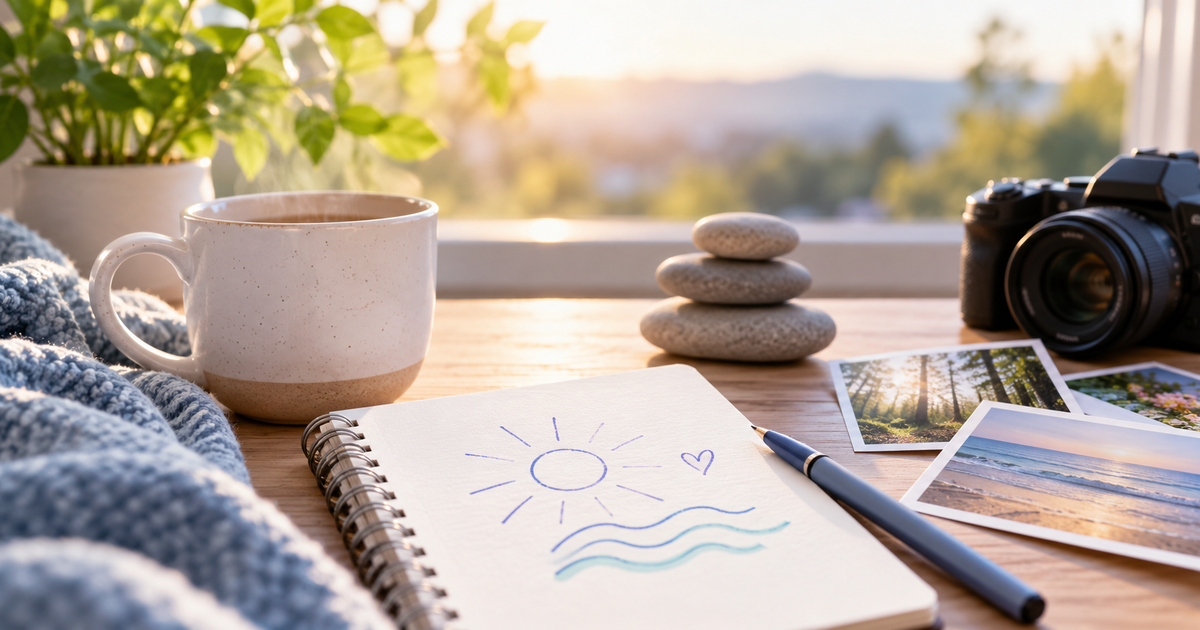
Busy parents juggling work, family logistics, and a tight budget often reach the end of the day with stress still buzzing in the body. Between everyday stress triggers like overflowing inboxes, nonstop notifications, and the mental tab of unfinished chores, common stress management techniques can feel like one more thing to do “right.” There’s another option: time-efficient stress reduction through simple, pressure-free creative outlets for relaxation that don’t require talent, supplies, or a big block of time. With the right mindset, budget-friendly stress relief can start feeling accessible again.
Why Creativity Calms Your Nervous System
Creativity is not about being “artistic.” It is a low-stakes way to shift your attention into the present, where your mind is fully present and paying attention instead of spiraling. As you make something, you can slip into a flow state that quiets stress, gives emotions a safe outlet, and restores a small sense of control.
This matters because calm is easier to access when you are absorbed, not forcing yourself to “relax correctly.” Tiny creative choices can interrupt rumination and lower the mental noise from the day. Even a few minutes can feel like a reset when your brain gets one clear task.
Think of doodling while pasta boils or snapping one photo of evening light. Your focus narrows, your breathing steadies, and the mood shifts without a big plan or fancy supplies. A camera-ready version of this starts with mindful photography and a simple way to finish your favorite shots.
Use Mindful Photography to Reset in 10 Minutes
When your mind is racing, a small creative focus can pull you back into the present. Photography is a calming outlet because it nudges you to slow down and truly notice what’s in front of you as you capture meaningful scenes, everyday beauty, a comforting corner of your home, or a quiet moment in nature. As you frame a shot, pay attention to simple details like light, color, and texture; that gentle attention can feel grounding, even in just 10 minutes.
If you want to revisit that calm later, a little photo finishing can help your favorites feel as vivid as they did in the moment. An AI image optimization tool can enhance your photos by improving clarity, and an AI image upscaler can boost resolution so you can enlarge images while preserving detail and visual quality, useful for turning a soothing snapshot into a sharp wallpaper, print, or shareable image. When you’re ready to try it, the Adobe Firefly image enlarger tool is one option for enlarging photos without losing crispness.
Micro-Habits for Daily Creative Calm
Small, repeatable creative habits work because they lower the “startup” effort and give your brain a reliable off-ramp from stress. Pick a few that feel doable, then repeat them until calm becomes a familiar routine.
Two-Minute Doodle Reset
● What it is: Fill a sticky note with lines, shapes, or tiny patterns.
● How often: Daily, between tasks.
● Why it helps: It shifts attention from worry to simple, controlled motion.
30-Second Shake-Out Break
● What it is: Do somatic shaking by shaking arms, legs, and hands.
● How often: Daily, when tension spikes.
● Why it helps: It can support nervous system regulation and release pent-up stress.
Five-Senses Color Hunt
● What it is: Find five objects in one color and name their textures.
● How often: Daily, during chores or commuting.
● Why it helps: It anchors you in the present using gentle sensory focus.
Values-Based “One Small Make”
● What it is: Choose one action tied to habits that match your values, like mending or packing lunch.
● How often: Weekly, on a set day.
● Why it helps: Meaning makes routines easier to return to on hard days.
Creative Stress Relief: Questions People Ask
Q: What if I’m not “creative” and it stresses me out more?
A: You do not need talent for this to work, you need a simple action your hands can repeat. Choose low-stakes options like coloring one square, scribbling circles, or tearing paper for a collage. Aim for “done,” not “good,” and stop while it still feels easy.
Q: How do I get past a creative block when my mind feels busy?
A: Start with a prompt so you do not have to think: draw five dots and connect them, or pick one color and find three things that match. Set a 60-second timer and quit when it ends. Starting small matters because many adults experience stress, so your brain may need a gentle on-ramp.
Q: Why does perfectionism show up the moment I try to relax?
A: A helpful reframe is that perfectionism is a personality trait, not a personal failure. Give your project a “messy first draft” rule and limit supplies to one pen or one song. If you catch yourself judging, switch to noticing textures, shapes, or breath.
Q: How can I fit hobbies into a packed schedule without falling behind?
A: Make it a micro-slot: while the kettle boils, during the last two minutes of lunch, or right after you plug in your phone to charge. Keep materials visible in a cup or zip pouch so setup is basically zero. If you miss a day, restart the next day with the smallest possible version.
Q: When I start, how do I stay consistent without turning it into another chore?
A: Tie it to an existing cue, like after washing hands or before you open social media. Track it with a simple check mark, not a long journal entry. Consistency grows from repetition, so keep the goal tiny enough that you can do it on low-energy days.
Turn Small Creative Rituals Into Daily Calm and Resilience
When stress is constant, even “fun” hobbies can start to feel like one more thing to manage. The simplest path is to treat creative stress relief as gentle practice: start small creative projects, keep expectations low, and focus on showing up more than showing off. Over time, the benefits of creative stress relief stack up, quieter thoughts, steadier moods, and a sense that you can handle your day without snapping. Small creativity, repeated, is sustainable stress management.