


Shoulder Arthroscopy in Louisville, Lexington and Indianapolis
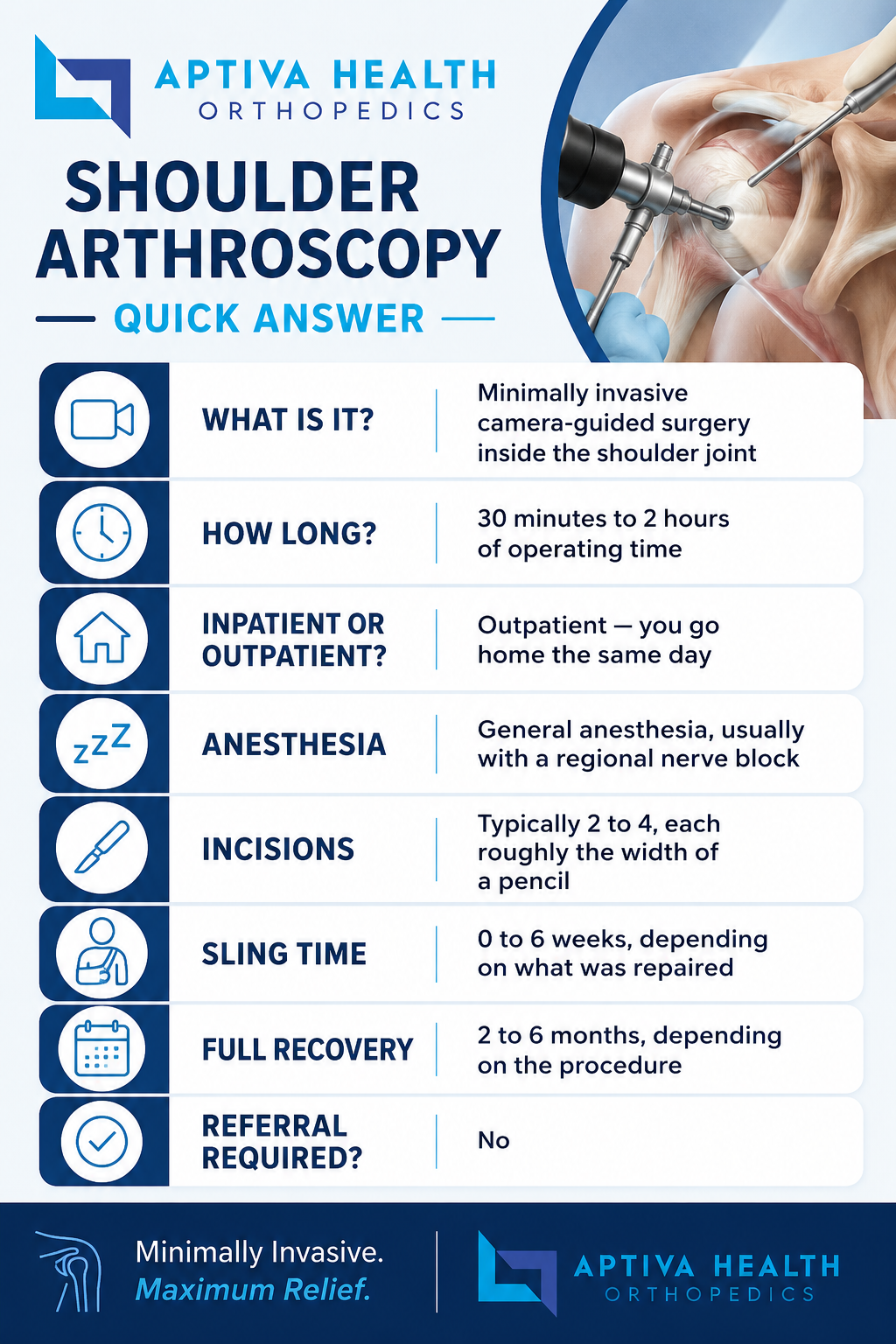
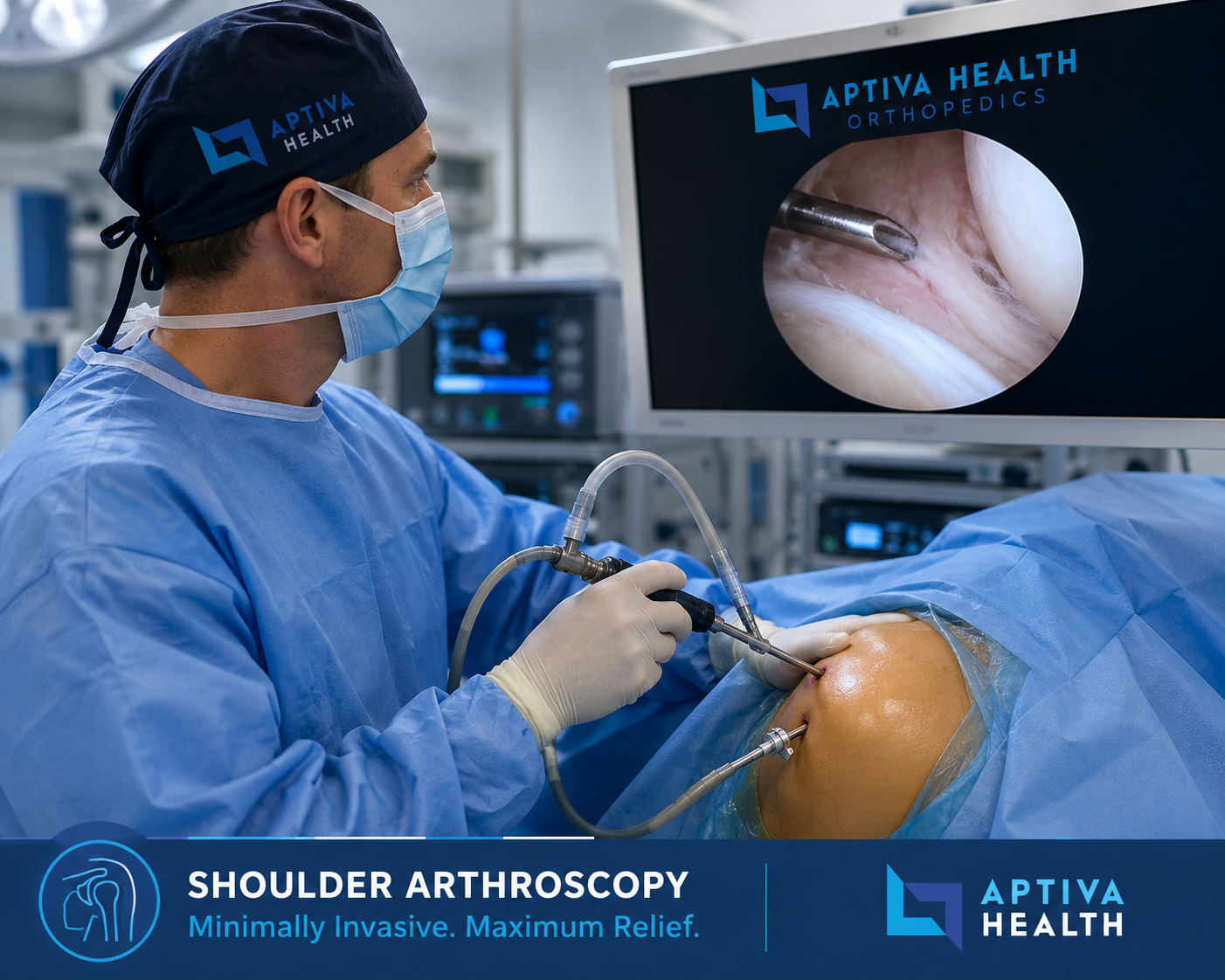
Shoulder arthroscopy is a minimally invasive surgical procedure in which a surgeon inserts a pencil-sized camera called an arthroscope through a small incision to examine and repair the tissues inside and around the shoulder joint. Because the camera and instruments are so small, the surgeon works through incisions measured in millimeters instead of the several-inch opening required by traditional open shoulder surgery.
For most patients that means less soft-tissue disruption, less post-operative pain, and a faster return to motion.
At Aptiva Health, shoulder arthroscopy sits inside a complete shoulder care pathway. Evaluation, imaging, injections, surgery and physical therapy all happen under one roof, and no physician referral is required to get started. If your shoulder injury just happened, our Immediate Injury Care clinics accept walk-ins for same-day evaluation.
Medically reviewed by J. Steve Smith, MD, Timothy Wilson, MD, and D. Philip Stickney, MD on July 22, 2026.
Schedule your appointment today!
Conditions Treated With Shoulder Arthroscopy
Shoulder arthroscopy is used to diagnose and repair a wide range of shoulder problems, including:
Rotator cuff tears — partial and full-thickness tears of the tendons that hold the arm in the shoulder socket
SLAP tears and labral tears — injuries to the cartilage rim around the shoulder socket
Shoulder impingement syndrome — rotator cuff tendons compressed under the acromion during movement
Shoulder bursitis and rotator cuff tendonitis — inflammation in and around the joint
Shoulder instability and recurrent dislocation — including Bankart lesions and multidirectional instability
Frozen shoulder (adhesive capsulitis) — when the joint capsule tightens and restricts motion
Biceps tendon injuries — tendinopathy, partial or full tears, and biceps instability
Loose bodies and cartilage damage inside the joint

all-arthroscopic rotator cuff repair
During arthroscopy, your surgeon inserts a small camera, called an arthroscope, into your shoulder joint. The camera displays pictures on a television screen, and your surgeon uses these images to guide miniature surgical instruments. During the arthroscopic rotator cuff repair, your surgeon can see the structures of your shoulder in great detail on a video monitor. Because the arthroscope and surgical instruments are thin, your surgeon can use very small incisions (cuts), rather than the larger incision needed for standard, open surgery. All-arthroscopic repair is usually an outpatient procedure and is the least invasive method to repair a torn rotator cuff.

arthroscopic slap repair
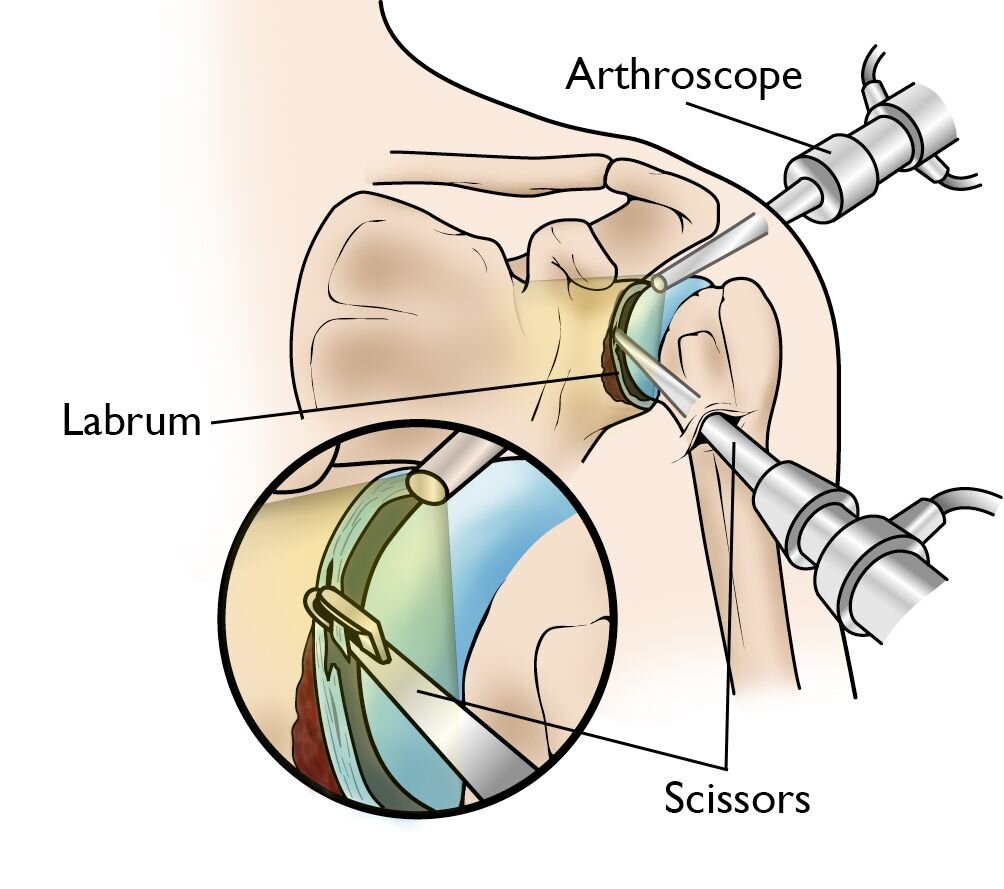
A SLAP tear is an injury to the rim of cartilage that encircles the shoulder socket (known as the labrum). The term SLAP stands for "Superior Labrum Anterior and Posterior." A SLAP tear, therefore, occurs both in front (anterior) and back (posterior) of the labrum. This portion of the labrum is especially important as it serves as the attachment point of the biceps tendon.
Arthroscopic surgery may be used to restore the labrum back to its position at the rim of the shoulder socket. Once repositioned, sutures would secure the bone to the cartilage. If the damage extends into the biceps tendon, additional surgery may be needed.
Arthroscopic surgery may be used to restore the labrum back to its position at the rim of the shoulder socket. Once repositioned, sutures would secure the bone to the cartilage. If the damage extends into the biceps tendon, additional surgery may be needed.

Shoulder Arthroscopy for impingement syndrome
One of the most common reasons for shoulder surgery is the treatment of impingement syndrome. This is a condition in which the tendons of your rotator cuff are intermittently trapped and compressed during movement. This causes progressive damage to the tendons, as well as the cushions inside the joint space (called bursa).
Impingement syndrome can also be described as rotator cuff tendonitis and bursitis.
The arthroscopic procedure used to correct impingement is known as a subacromial decompression. The aim of the surgery is to increase the space between the rotator cuff and the top of the shoulder (known as the acromion).

arthroscopy for shoulder dislocation
A shoulder dislocation injury occurs when the ball of the shoulder joint comes out of the socket.
In young athletes, the damage most commonly occurs at the labrum. To stabilize the shoulder after dislocation, a type of surgery known as a Bankart repair can attach the labrum to the joint capsule to hold the ball in place.
Other cases involved generalized laxity of the shoulder ligaments which can lead to a condition known as multidirectional instability. This can cause the shoulder joint to come in and out of the socket very easily. Surgery would be used to tighten the joint capsule.
Repeated dislocations can lead to severe shoulder damage and require substantial surgery to keep the joint in place. While there are several different ways to achieve this, the procedures typically involve repositioning bone around the shoulder to hold the ball more securely in place.

arthrscopy for frozen shoulder (adhesive capsulitis)
Frozen shoulder is the second-most common cause of shoulder injury next to a rotator cuff tear. While the condition can usually be treated with non-surgical means, there are rare instances in which surgical treatment is required. When a frozen shoulder occurs, the capsule surrounding the shoulder joint becomes tight and contracted.
The goal of surgery is to loosen the contracted tissue to allow the shoulder to move more freely. This is typically done by cutting the capsule all the way around the ball of the shoulder; this can be technically challenging given that the space inside the joint will be extremely tight.
Another challenge is that once the capsule is cut, the body will want to make new scar tissue. Aggressive physical therapy is essential to restoring the shoulder's full range of motion.

arthroscopic biceps tenodesis
Arthroscopic biceps tenodesis is indicated for the treatment of severe biceps tendonopathy, partial- or full-thickness tendon tears, or biceps instability typically associated with rotator cuff tear. Although there has been considerable debate on tenotomy versus tenodesis, our surgeons advocate tenodesis, for the following reasons: to re-establish the resting muscle length so as to avoid scaring and spasm, to allow biceps use for complex elbow motion, and to avoid cosmetic defects in cases in which deformity can sometimes equal disability.
Biceps tenodesis involves detaching the LHB from it's superior labrum in the shoulder and reattached to the humerus bone just below the shoulder. This procedure is more complex than a tenotomy, but avoids the risks of biceps discomfort, weakness and a 'popeye' appearance. Tenodesis is preferable for more active people. Using modern fixation screws the repair is strong enough to move the arm early after surgery.
Find our Shoulder Arthroscopic surgery post-operative instructions HERE
Recovery Timeline
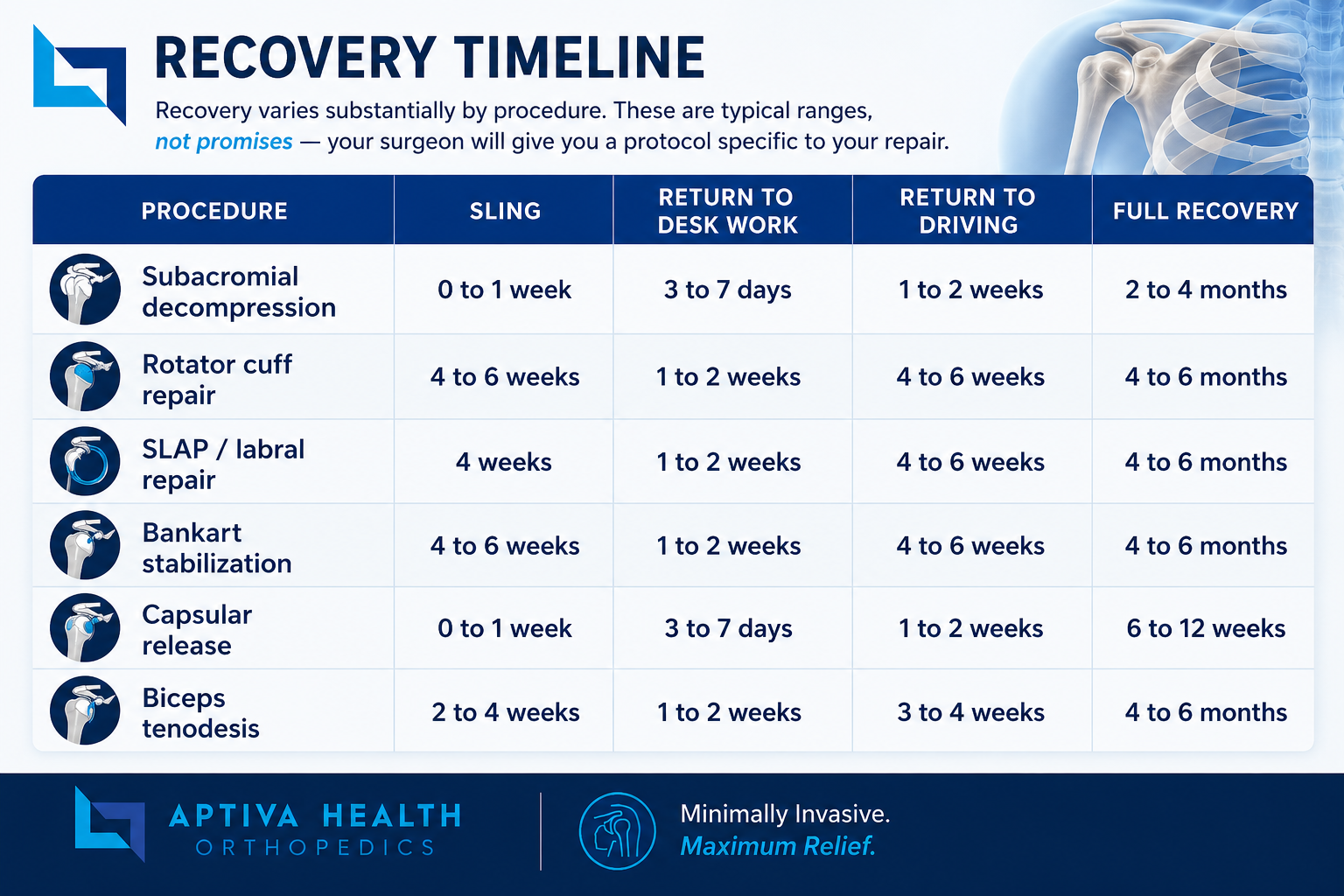
Recovery varies substantially by procedure. These are typical ranges, not promises — your surgeon will give you a protocol specific to your repair.
Physical therapy usually begins within the first week and progresses in stages: passive motion first, then active motion, then strengthening, then sport- or job-specific work. Because Aptiva Health provides physical therapy in-house, your surgeon and your therapist are working from the same chart.
Detailed post-operative instructions are available here: Shoulder Arthroscopy Post-Operative Instructions
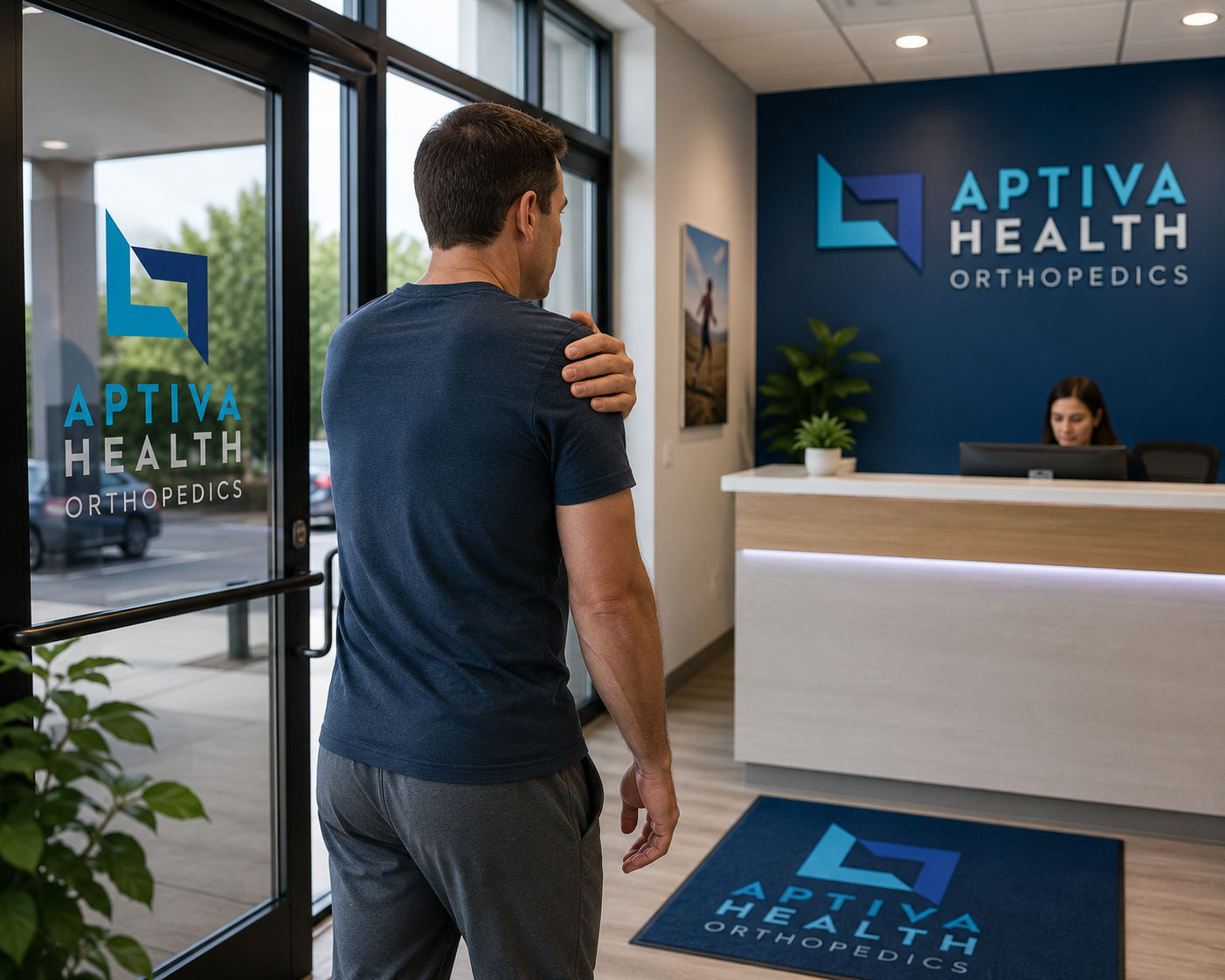
Why Patients Choose Aptiva Health for Shoulder Surgery
No referral required. Book directly with an orthopedic surgeon. No gatekeeping, no waiting on a primary care appointment first.
Same-day walk-in injury care. Acute shoulder injuries can be evaluated the day they happen through Immediate Injury Care.
Cash-pay MRI with transparent pricing. Shoulder MRI starting around $350, with the price quoted up front. No surprise facility fee weeks later.
Everything under one roof. Orthopedics, imaging, physical therapy, interventional pain and surgery are all part of the same organization and the same record.
Outpatient surgical capability. Procedures are performed in an ambulatory surgery setting, which is typically lower cost than a hospital outpatient department.
Your Shoulder Surgery Team
Shoulder arthroscopy at Aptiva Health is performed by our orthopedic and sports medicine surgeons:
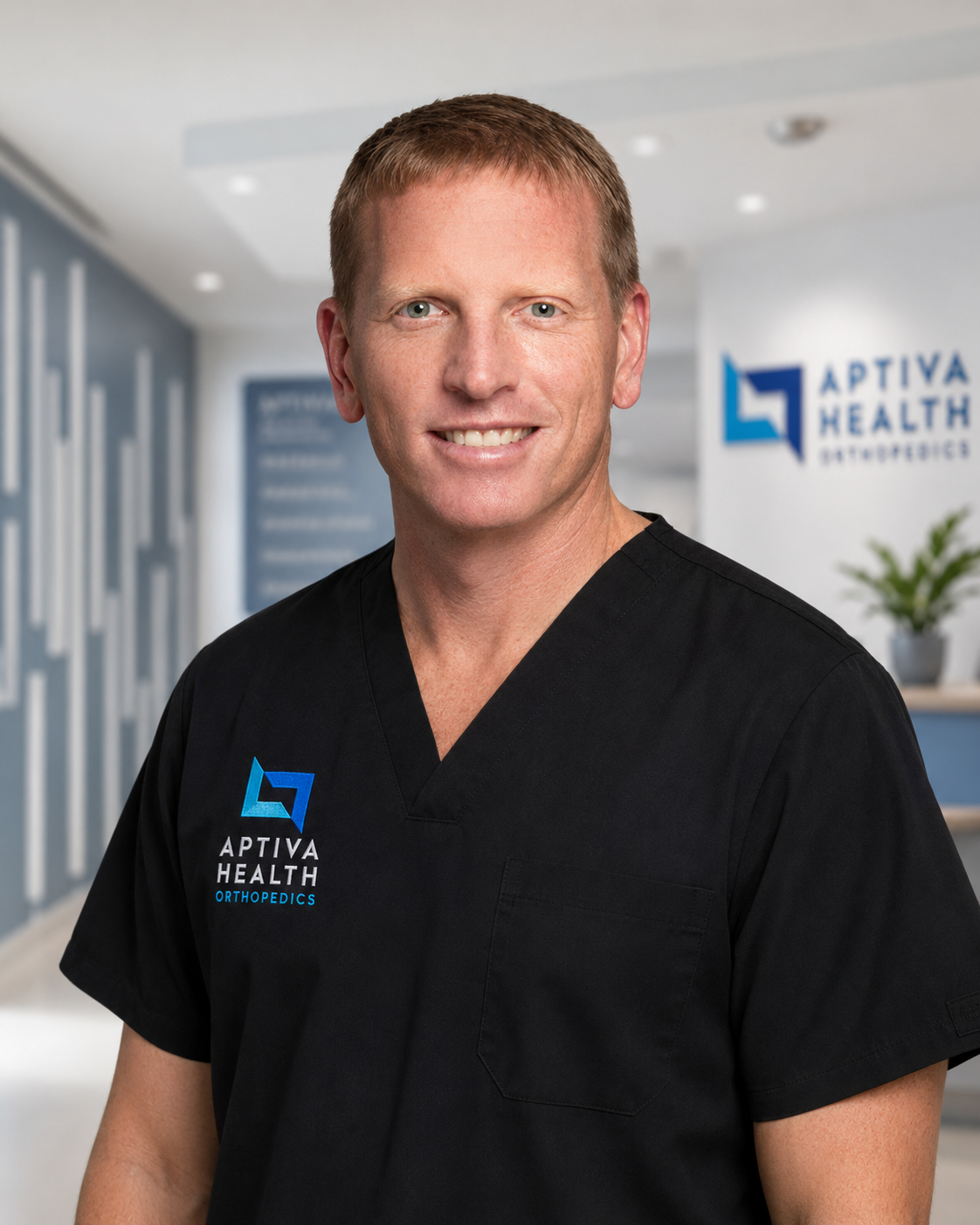
J. Steve Smith, MD — Director of Orthopedics and Sports Medicine; fellowship-trained at Kerlan-Jobe
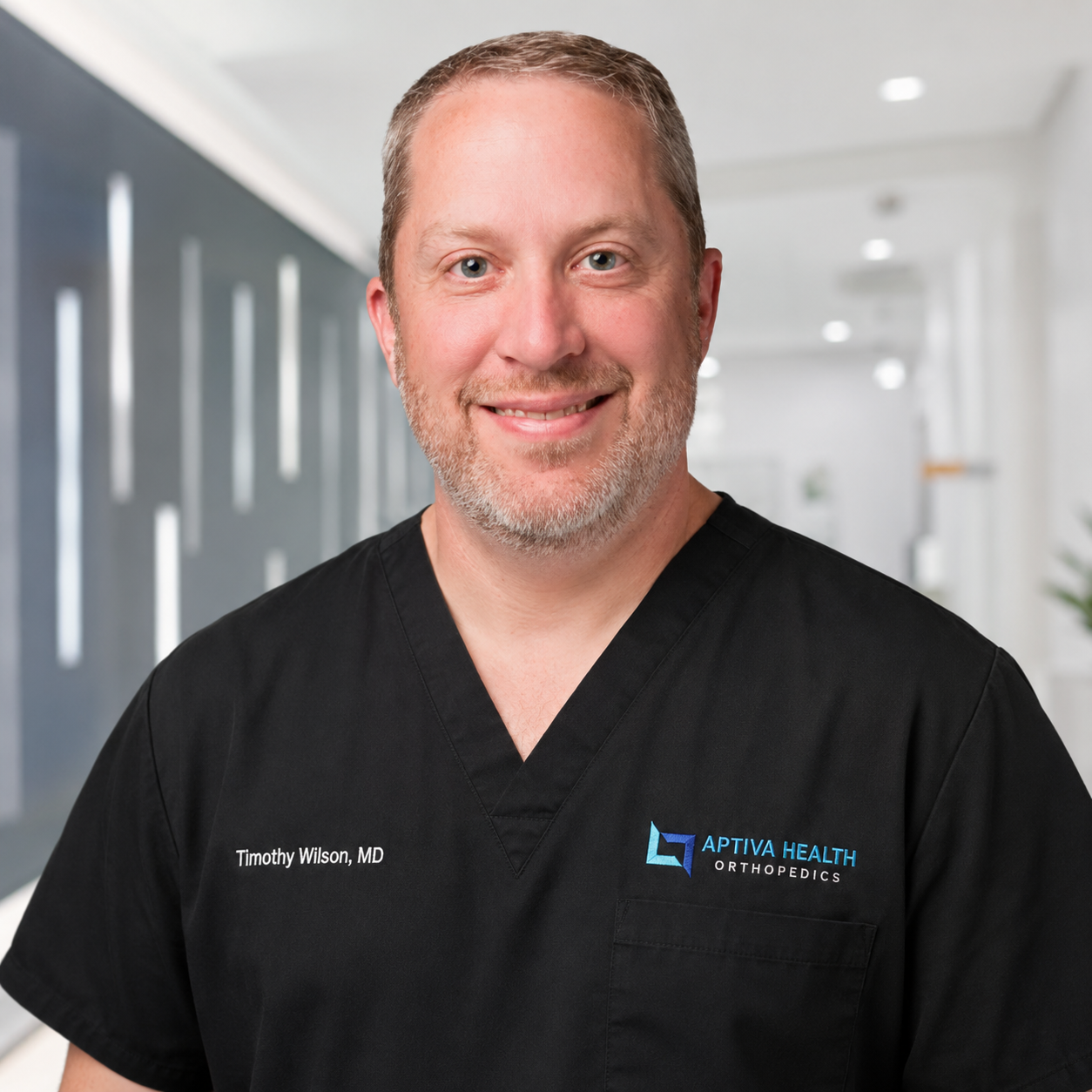
Timothy Wilson, MD — ABOS subspecialty certified in sports medicine
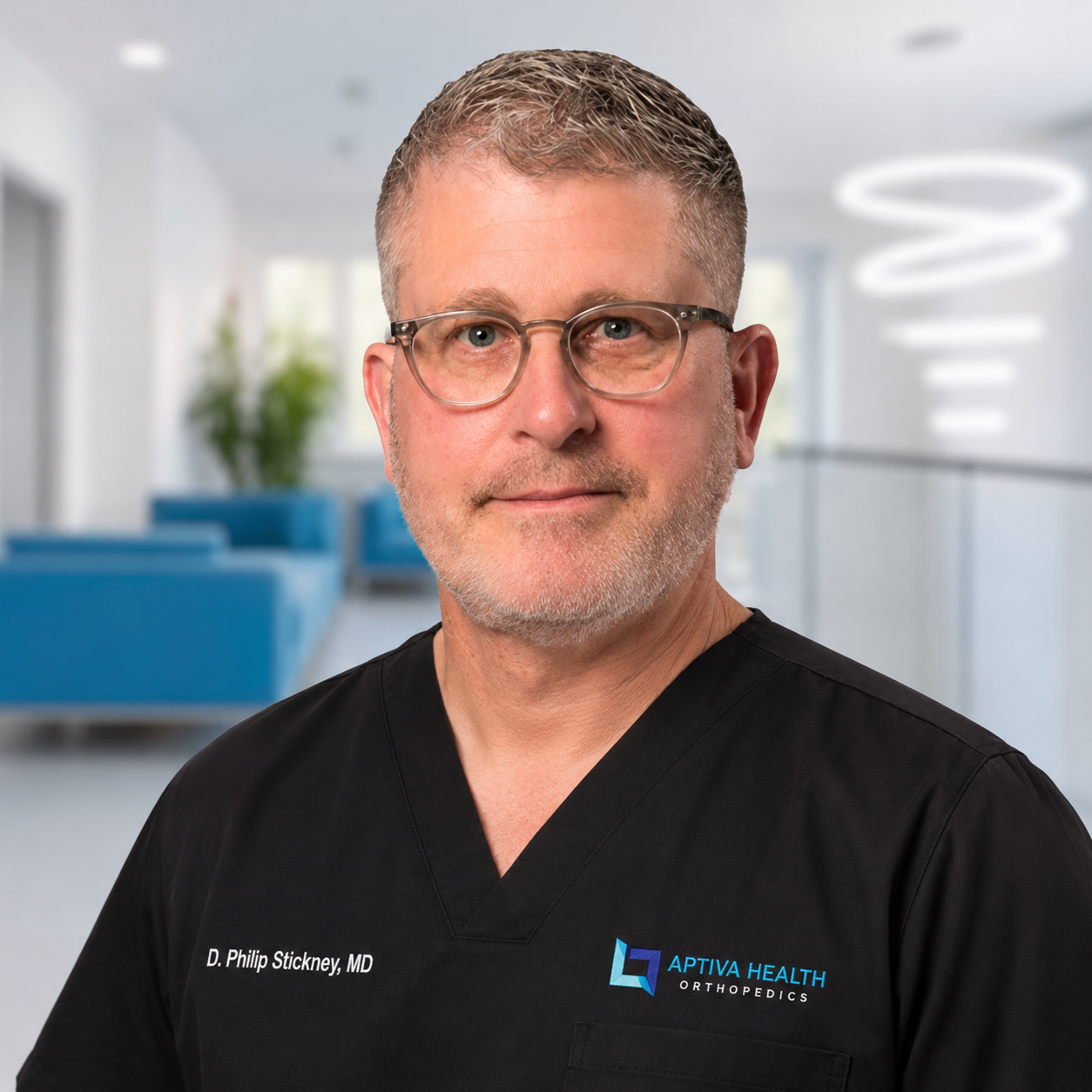
D. Philip Stickney, MD — Orthopedic surgery; Northern Kentucky and Indianapolis
Advanced Practice Providers
Michael Gilbert, PA-C — Orthopedic physician assistant for 30 years. Provides same-week new-patient evaluations, conservative-care coordination, shoulder injections, bracing fittings, and post-operative follow-up.
Bradley Stephenson, PA-C — Orthopedic physician assistant. Provides new-patient evaluations, conservative-care coordination, shoulder injections, and post-operative follow-up for the Aptiva Health orthopedic and sports medicine team.
Bryan Davidson, PA-C — Orthopedic physician assistant. Treats orthopedic and sports medicine patients across the Aptiva Health network.
Becky Kostyo, APRN — Orthopedic nurse practitioner. Works directly with the Aptiva Health shoulder team to evaluate, diagnose, and shoulder knee conditions including conservative care, shoulder injections, and pre- and post-operative coordination.
Physical Therapy & Imaging
Aptiva's orthopedic physical therapy, sports physical therapy, and imaging services are integrated with the shoulder team so your evaluation, MRI, bracing, injection, and treatment all happen under one roof.
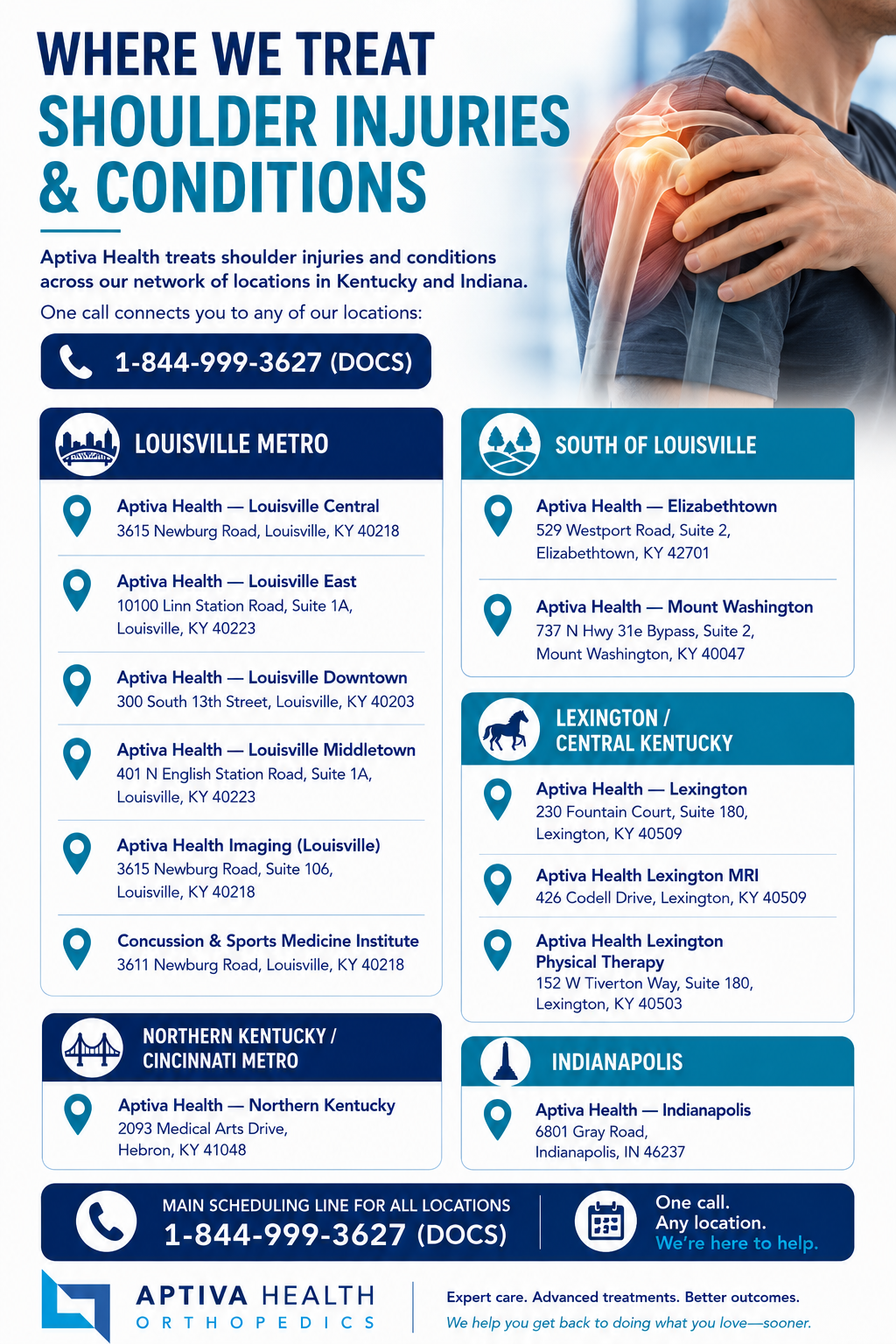
Where We Treat Shoulder Injuries & Conditions
Aptiva Health treats shoulder injuries and conditions across our network of locations in Kentucky and Indiana. One call connects you to any of our locations: 1-844-999-3627 (DOCS).
Louisville Metro
Aptiva Health — Louisville Central — 3615 Newburg Road, Louisville, KY 40218
Aptiva Health — Louisville East — 10100 Linn Station Road, Suite 1A, Louisville, KY 40223
Aptiva Health — Louisville Downtown — 300 South 13th Street, Louisville, KY 40203
Aptiva Health — Louisville Middletown — 401 N English Station Road, Suite 1A, Louisville, KY 40223
Aptiva Health Imaging (Louisville) — 3615 Newburg Road, Suite 106, Louisville, KY 40218
Concussion & Sports Medicine Institute — 3611 Newburg Road, Louisville, KY 40218
South of Louisville
Lexington / Central Kentucky
Aptiva Health — Lexington — 230 Fountain Court, Suite 180, Lexington, KY 40509
Aptiva Health Lexington MRI — 426 Codell Drive, Lexington, KY 40509
Aptiva Health Lexington Physical Therapy — 152 W Tiverton Way, Suite 180, Lexington, KY 40503
Northern Kentucky / Cincinnati Metro
Indianapolis
Main scheduling line for all locations: 1-844-999-3627 (DOCS)
Frequently Asked Questions
How long does shoulder arthroscopy take?
Most shoulder arthroscopy procedures take 30 minutes to 2 hours of operating time. A diagnostic scope or subacromial decompression is usually on the shorter end, while a full rotator cuff repair or labral reconstruction takes longer. Plan on being at the surgical facility for roughly 4 to 6 hours total once check-in, anesthesia and recovery-room monitoring are included.
Is shoulder arthroscopy outpatient surgery?
Yes. The large majority of shoulder arthroscopy procedures are performed on an outpatient basis, meaning you go home the same day. You will need a driver, since the anesthesia and nerve block used during the procedure make it unsafe to drive yourself.
How long is recovery after shoulder arthroscopy?
Recovery depends on what was repaired. A subacromial decompression for impingement typically returns patients to normal activity in 2 to 4 months. A rotator cuff repair generally requires a sling for 4 to 6 weeks and 4 to 6 months for full recovery. SLAP and labral repairs follow a similar 4 to 6 month timeline. Desk work is often possible within 1 to 2 weeks, while overhead and heavy lifting activity returns last.
Do I need a referral to see a shoulder surgeon at Aptiva Health?
No. Aptiva Health does not require a physician referral. You can schedule directly, and for an acute shoulder injury you can walk in to Immediate Injury Care for same-day evaluation.
How painful is recovery after shoulder arthroscopy?
Most patients report the first 3 to 7 days as the most uncomfortable period, particularly at night. A regional nerve block placed before surgery controls pain for the first 12 to 24 hours. After that, pain is typically managed with a combination of ice, positioning, and medication prescribed by your surgeon. Discomfort usually drops off substantially after the first two weeks.
When can I drive after shoulder arthroscopy?
Driving is generally not permitted while you are wearing a sling or taking prescription pain medication. For a simple decompression that can be as short as 1 to 2 weeks. After a rotator cuff or labral repair it is more often 4 to 6 weeks. Your surgeon will clear you individually.
Will I need physical therapy after shoulder arthroscopy?
Yes. Physical therapy is essential to restoring range of motion and strength, and it is the single largest factor in the final outcome of the surgery. Aptiva Health provides physical therapy in-house at our clinics, so your surgeon and therapist coordinate directly on your progression rather than working from separate records.
How do I know if I need shoulder surgery or if therapy will be enough?
Many shoulder problems, including impingement, bursitis, partial rotator cuff tears and frozen shoulder, improve without surgery. Surgery is generally considered when a full-thickness tear is present, when the shoulder is structurally unstable and dislocating, or when several weeks of therapy and injections have not restored function. Imaging plus a physical exam is what settles the question, and Aptiva Health offers cash-pay MRI with transparent pricing starting around $350 if you need imaging before deciding.