
Rotator Cuff Tear
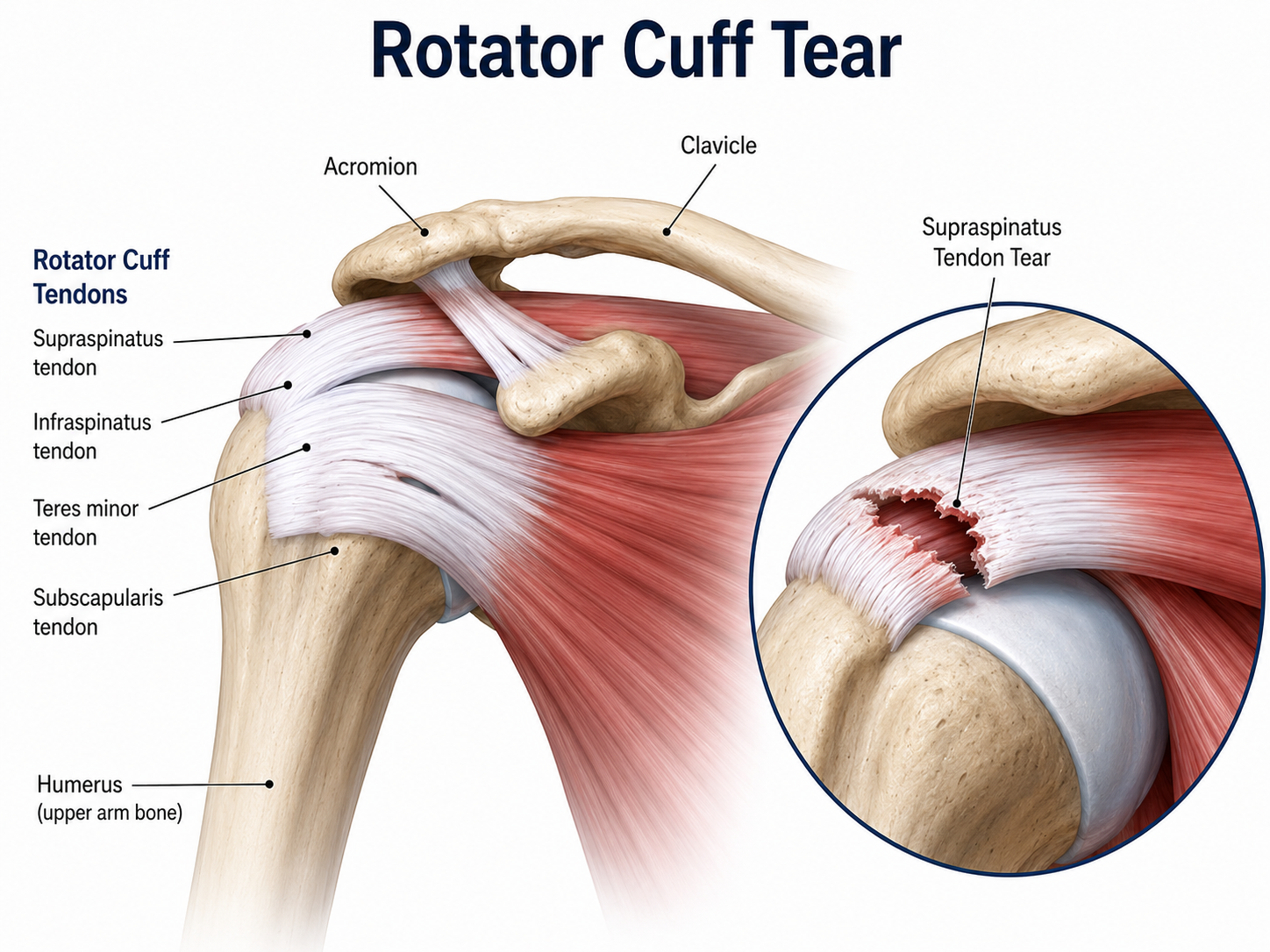
Rotator Cuff Tear: Expert Diagnosis and Treatment Across Kentucky & Indiana
The rotator cuff is the most common source of shoulder pain in adults — and one of the most over-diagnosed and under-treated injuries in orthopedics. At Aptiva Health, four orthopedic surgeons, on-site MRI, walk-in shoulder evaluation, and an in-house physical therapy team work together so the patient gets the right diagnosis on day one — and the right treatment, not just the easy one.
We see rotator cuff tears every day at our locations in Louisville, Lexington, Elizabethtown, Mt. Washington, Northern Kentucky, and Indianapolis.
Schedule a Shoulder Consultation | Walk Into Immediate Injury Care | Get 24/7 Access
What Is a Rotator Cuff Tear?
The rotator cuff is the group of four muscles and tendons — the supraspinatus, infraspinatus, subscapularis, and teres minor — that wrap around the shoulder joint and hold the head of the upper arm bone (humerus) inside the shoulder socket. The rotator cuff is what lets you lift your arm, rotate it, reach overhead, and reach behind your back.
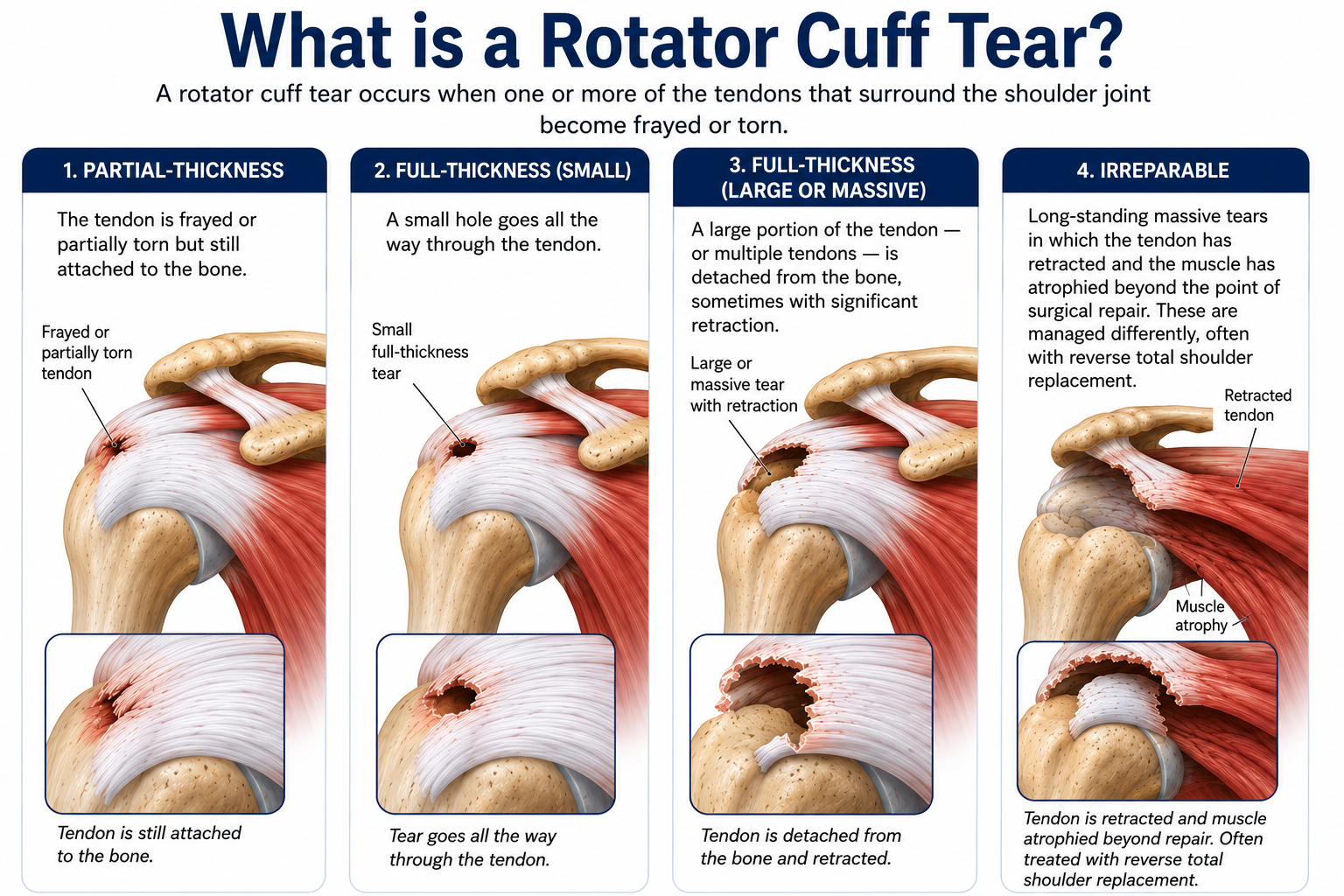
A rotator cuff tear is a partial or complete tear of one or more of those tendons where they attach to the humerus. The supraspinatus tendon is by far the most commonly torn. Tears can be:
Partial-thickness: The tendon is frayed or partially torn but still attached to the bone.
Full-thickness (small): A small hole goes all the way through the tendon.
Full-thickness (large or massive): A large portion of the tendon — or multiple tendons — is detached from the bone, sometimes with significant retraction.
Irreparable: Long-standing massive tears in which the tendon has retracted and the muscle has atrophied beyond the point of surgical repair. These are managed differently, often with reverse total shoulder replacement.
Tears are also classified by cause: acute tears happen suddenly (a fall, a sudden lift, a car accident), while chronic tears develop slowly over years of wear, repetitive overhead activity, and age-related degeneration.
Symptoms of a Rotator Cuff Tear
The most common symptoms of a torn rotator cuff are:
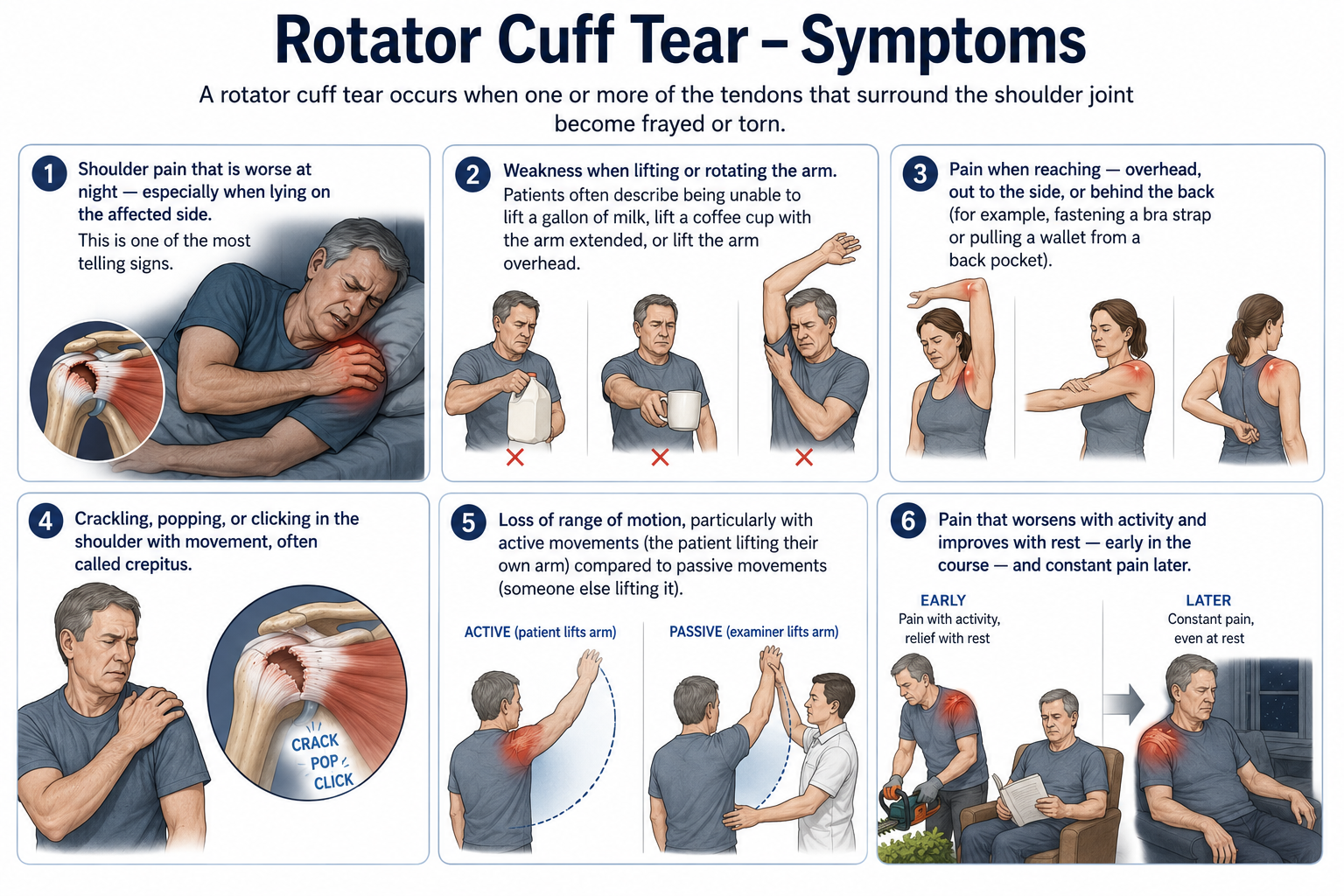
Shoulder pain that is worse at night — especially when lying on the affected side. This is one of the most telling signs.
Weakness when lifting or rotating the arm. Patients often describe being unable to lift a gallon of milk, lift a coffee cup with the arm extended, or lift the arm overhead.
Pain when reaching — overhead, out to the side, or behind the back (for example, fastening a bra strap or pulling a wallet from a back pocket).
Crackling, popping, or clicking in the shoulder with movement, often called crepitus.
Loss of range of motion, particularly with active movements (the patient lifting their own arm) compared to passive movements (someone else lifting it).
Pain that worsens with activity and improves with rest — early in the course — and constant pain later.
Not every torn rotator cuff hurts. Some patients have asymptomatic tears found incidentally on imaging done for another reason. The presence of a tear on an MRI doesn't automatically mean it needs to be treated; the question is whether the tear is causing the patient's symptoms and whether the symptoms warrant intervention.
What Causes a Rotator Cuff Tear?
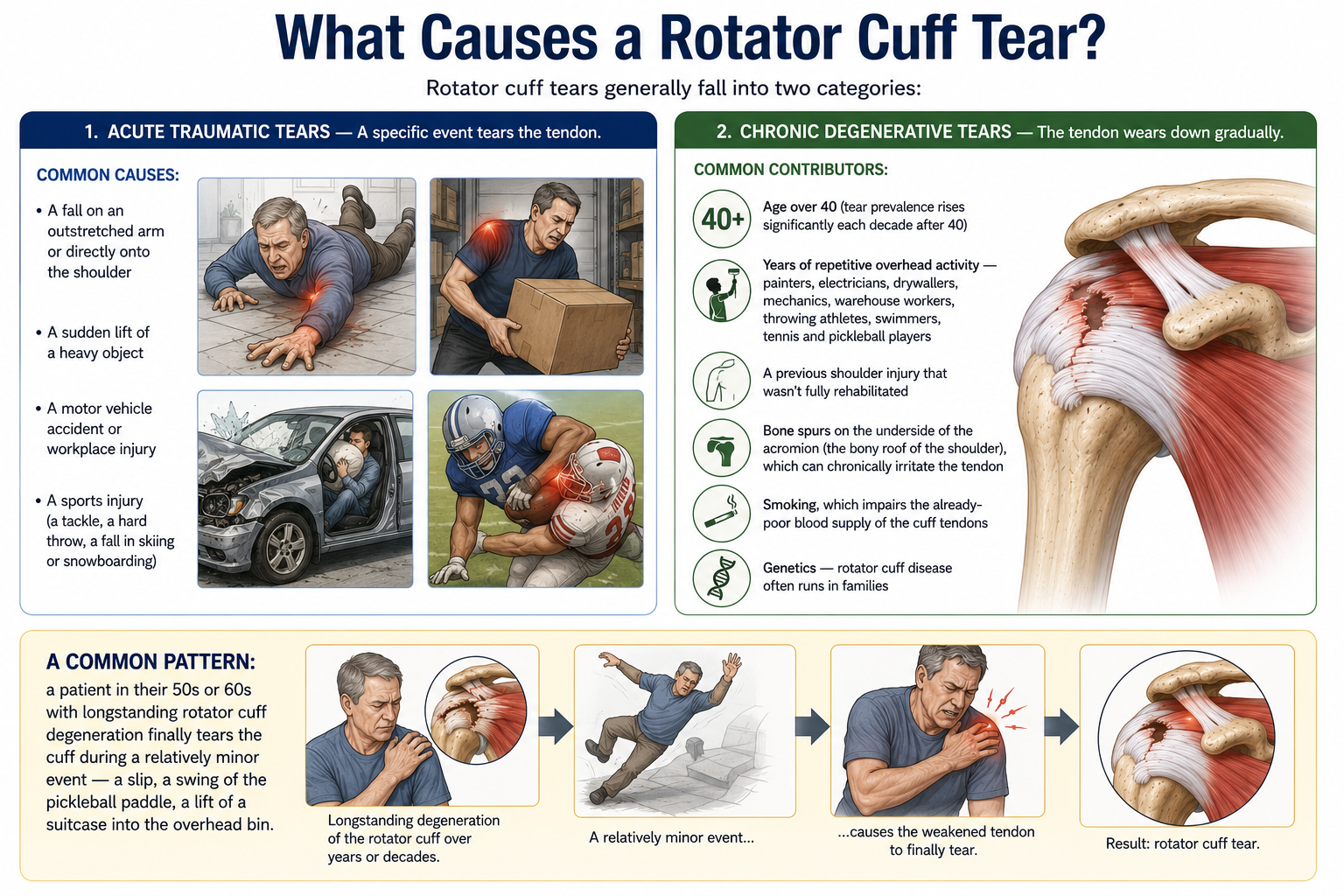
Rotator cuff tears generally fall into two categories:
1. Acute traumatic tears — A specific event tears the tendon. Common causes:
A fall on an outstretched arm or directly onto the shoulder
A sudden lift of a heavy object
A motor vehicle accident or workplace injury
A sports injury (a tackle, a hard throw, a fall in skiing or snowboarding)
2. Chronic degenerative tears — The tendon wears down gradually. Common contributors:
Age over 40 (tear prevalence rises significantly each decade after 40)
Years of repetitive overhead activity — painters, electricians, drywallers, mechanics, warehouse workers, throwing athletes, swimmers, tennis and pickleball players
A previous shoulder injury that wasn't fully rehabilitated
Bone spurs on the underside of the acromion (the bony roof of the shoulder), which can chronically irritate the tendon
Smoking, which impairs the already-poor blood supply of the cuff tendons
Genetics — rotator cuff disease often runs in families
A common pattern: a patient in their 50s or 60s with longstanding rotator cuff degeneration finally tears the cuff during a relatively minor event — a slip, a swing of the pickleball paddle, a lift of a suitcase into the overhead bin.
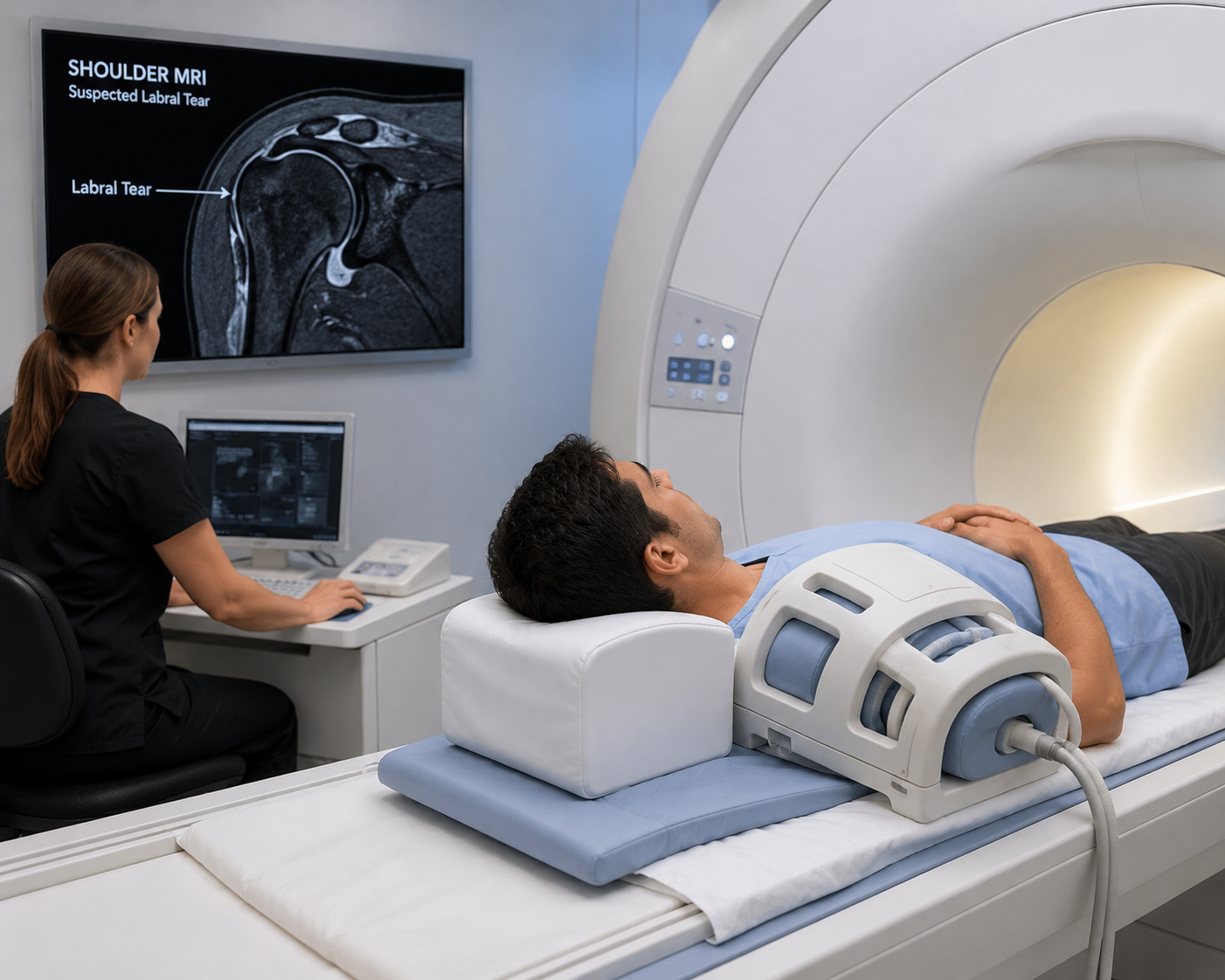
How a Rotator Cuff Tear is Diagnosed - and Why On-Site MRI Matters
The shortest, most efficient path to a rotator cuff diagnosis is an orthopedic exam plus an MRI. At Aptiva Health, both happen in the same visit, often the same hour.
A typical Aptiva Health shoulder evaluation includes:
1. Focused history and exam. The orthopedic surgeon assesses pain location, pain at night, activity limitations, range of motion (both active and passive), and strength against resistance. Specific provocative tests — Jobe's empty can, drop arm, Hawkins-Kennedy, Neer impingement, lift-off, belly press — help differentiate rotator cuff tears from impingement, bursitis, labral tears, frozen shoulder, and arthritis.
2. Imaging.
X-rays rule out fracture, dislocation, and arthritis. They can also reveal classic chronic rotator cuff findings — bone spurs, narrowing of the acromiohumeral distance, and rounding of the greater tuberosity.
MRI is the gold standard for visualizing the rotator cuff tendons themselves. MRI shows the location of the tear, its thickness (partial vs. full), its size, the amount of retraction, the quality of the muscle, and the presence of associated labral, biceps, or cartilage damage. The MRI findings drive the treatment decision.
Why this is different at Aptiva Health: Our locations across Kentucky have on-site MRI, often with same-day availability, and our cash-pay MRI is $350 — among the lowest published prices in the region. Patients who would normally wait two to four weeks for a hospital outpatient MRI can be examined, imaged, and given a definitive diagnosis with a surgical treatment plan in a single visit.
Learn more about $350 MRI at Aptiva Health | Learn about our Imaging Department
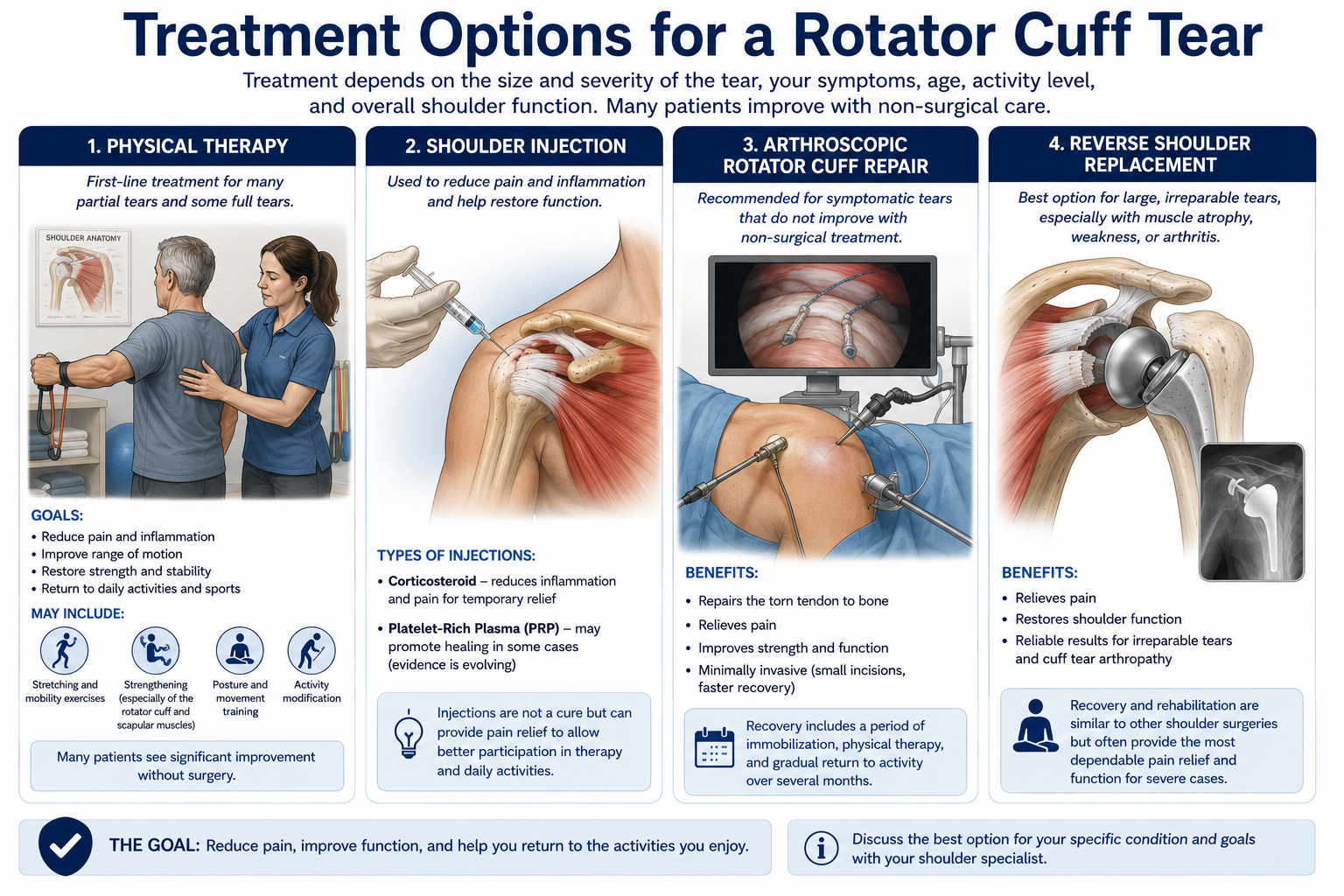
Treatment Options for a Rotator Cuff Tear
There is no single right treatment for every rotator cuff tear. The right answer depends on the size of the tear, whether it is acute or chronic, the age and activity level of the patient, what other shoulder pathology is present, and how the shoulder responds to initial care.
Non-Surgical Treatment
Many partial-thickness tears and small full-thickness tears in lower-demand patients can be managed successfully without surgery. Non-surgical care includes:
Activity modification. Avoiding the specific activities that aggravate the tear while preserving general use of the arm.
Physical therapy. Strengthening the remaining rotator cuff muscles and the scapular stabilizers — the muscles that anchor the shoulder blade to the spine and chest wall — often eliminates symptoms even when the tear itself remains. Aptiva Health has in-house physical therapy at every orthopedic location, which lets the orthopedic surgeon and physical therapist work as one team rather than as two siloed providers.
NSAIDs and topical anti-inflammatories to control symptoms during rehab.
Corticosteroid injections to break the cycle of inflammation and pain that prevents the patient from progressing in physical therapy. Steroid injections do not heal the tear, but they often unlock the rehab.
Platelet-rich plasma (PRP) injection in selected patients with partial-thickness tears or tendinopathy.
For many patients, four to twelve weeks of focused non-surgical care is enough. For others, non-surgical care provides a clear answer that surgery is the next step.
Arthroscopic Rotator Cuff Repair
When the tear is full-thickness, especially in an active patient or after an acute traumatic event, surgical repair is often the best path forward. The standard of care is arthroscopic rotator cuff repair — a minimally invasive surgery performed through several small incisions, with a small camera and specialized instruments. The torn tendon is reattached to the bone using suture anchors, small implants that hold the repair until the tendon heals.
Why outpatient ASC surgery matters. Aptiva Health performs rotator cuff repair at ambulatory surgery centers (ASCs) rather than hospitals. Outpatient ASCs are associated with lower infection rates than hospital surgical settings, faster recovery, and substantially lower total cost of care for patients and payors. Patients go home the same day, often within a few hours of finishing surgery.
Learn more about Rotator Cuff Repair Surgery
Reverse Total Shoulder Replacement
When a rotator cuff tear is massive and irreparable — usually a long-standing tear with significant retraction and muscle atrophy, often with associated arthritis (called rotator cuff arthropathy) — direct repair will not hold. In these cases, the right answer is often a reverse total shoulder replacement, in which the ball-and-socket of the shoulder is reversed (a ball is placed where the socket was, and a socket where the ball was). This biomechanically takes the rotator cuff out of the equation and lets the deltoid muscle do the lifting work. Reverse shoulder replacement is a remarkably effective operation for the right patient.

The Aptiva Health Difference: A True Team Approach to Shoulder Care
Most orthopedic practices send rotator cuff patients out to a separate imaging center for MRI, a separate urgent care for new injuries, and a separate physical therapy clinic for post-op rehab. Each handoff is a delay, and each delay costs the patient something — time, money, or a worse outcome.
Aptiva Health was built differently. One team, one practice, one schedule.
On-site MRI at multiple locations means most patients are diagnosed in the same visit, often within the same hour.
Immediate Injury Care Centers accept walk-in shoulder evaluation — no appointment required — staffed by musculoskeletal specialists, not general urgent care providers.
The Hurt! App (Aptiva Now) gives every patient 24/7 telehealth access to the Aptiva Health care team — for new injuries, post-op questions, or after-hours guidance. Download the app here.
In-house physical therapy at every orthopedic location means the surgeon and the physical therapist talk to each other every week. The post-op protocol can be adjusted in real time as the patient progresses. There's no fax-the-PT-notes-to-the-surgeon delay.
Outpatient ambulatory surgery centers lower infection risk, shorten recovery, and reduce out-of-pocket cost compared to hospital-based surgery.
Four orthopedic surgeons treating rotator cuff and shoulder conditions across our markets, so patients can usually be seen quickly without a long wait for a "shoulder specialist."
Meet Our Orthopedic Surgeons
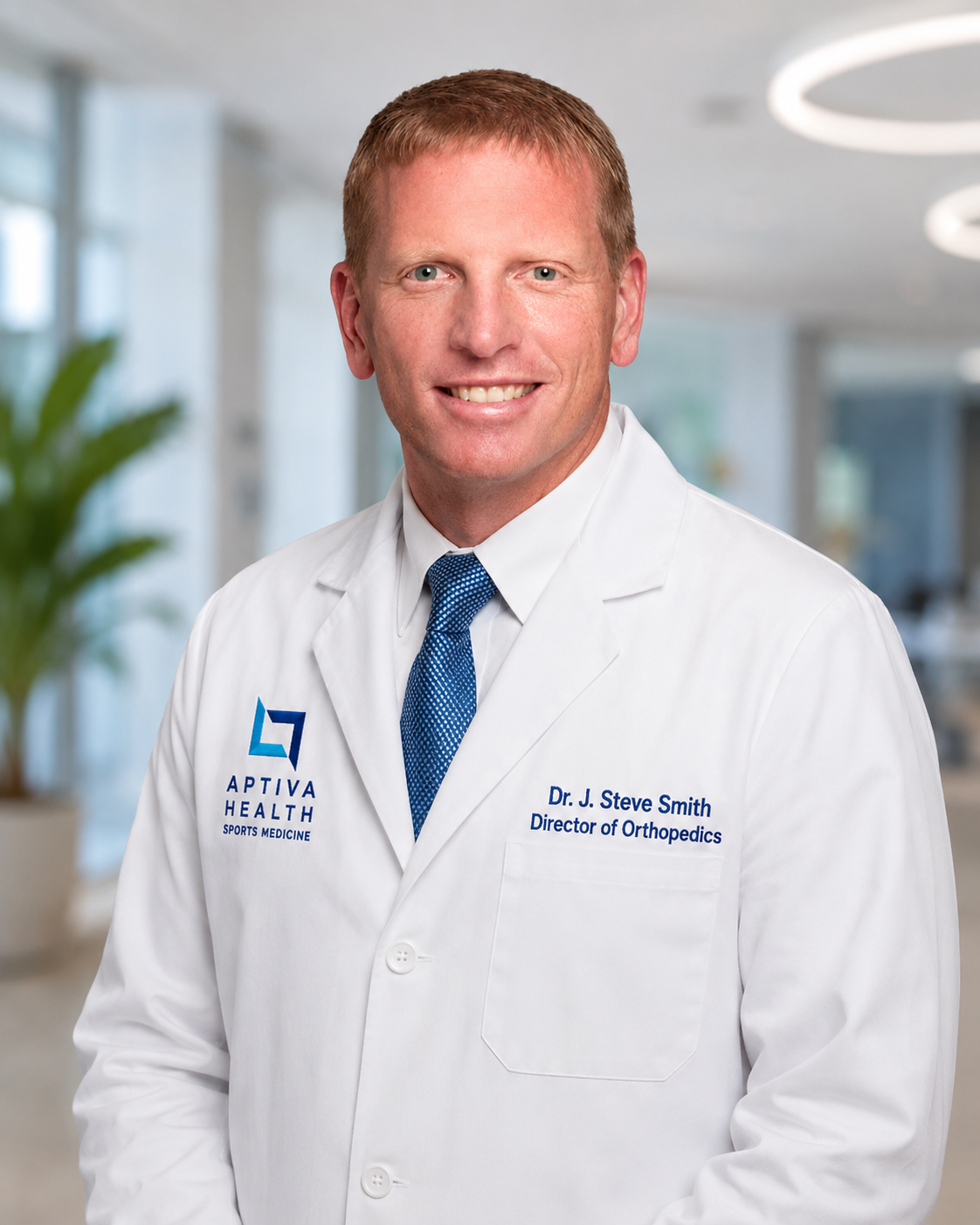
dr. j. steve smith - director of orthopedics
Sports Medicine Orthopedic Surgery | Kerlan-Jobe Fellowship
Dr. Smith is the Director of Orthopedics at Aptiva Health and among the most highly credentialed sports orthopedic surgeons in Kentucky. He completed his sports medicine fellowship at Kerlan-Jobe Orthopaedic Clinic in Los Angeles — the program that has trained team physicians for the LA Dodgers, Lakers, Kings, and Angels for generations. During his fellowship year he served as assistant team physician for eight professional teams across five major leagues. Dr. Smith performs arthroscopic rotator cuff repair, shoulder labral repair, total and reverse shoulder replacement, and the full range of sports shoulder procedures, and sees patients in Louisville, Lexington, Mt. Washington, and Elizabethtown.
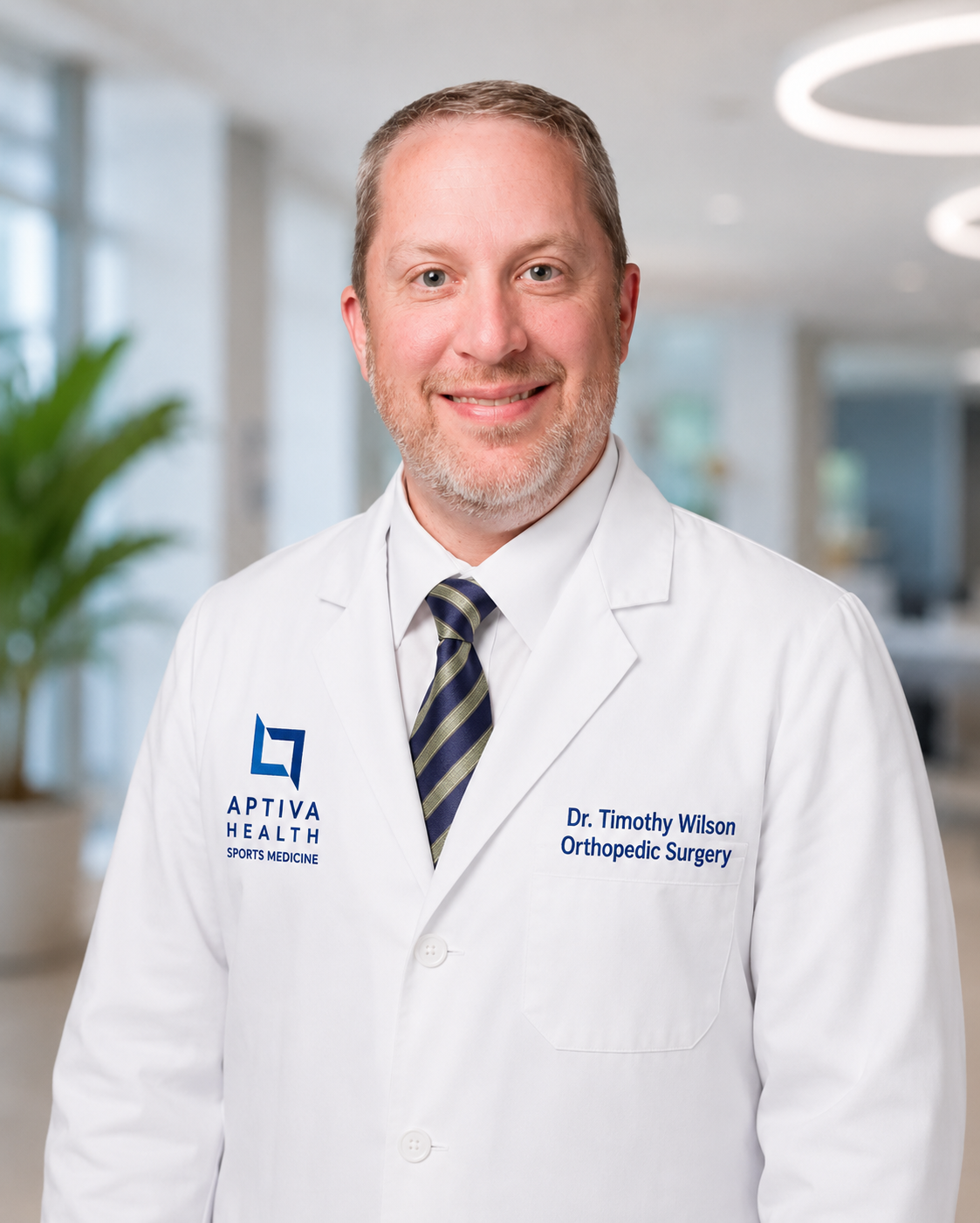
Dr. Timothy Wilson — Sports Orthopedic Surgeon
Sports Medicine Fellowship | University of Kentucky
Dr. Wilson is a board-certified orthopedic surgeon with subspecialty certification in Orthopaedic Sports Medicine from the American Board of Orthopaedic Surgery. He completed his orthopedic surgery residency at the University of Alabama Hospitals — where he served as Administrative Chief Resident — and his sports medicine fellowship at the University of Kentucky. A graduate of the University of Louisville School of Medicine and Georgetown College, Dr. Wilson has been practicing orthopedic sports medicine in Kentucky since 2002 and is the author of peer-reviewed publications in Arthroscopy, the American Journal of Sports Medicine, and Orthopedics, including published research on rotator cuff repair and arthroscopic shoulder surgery.
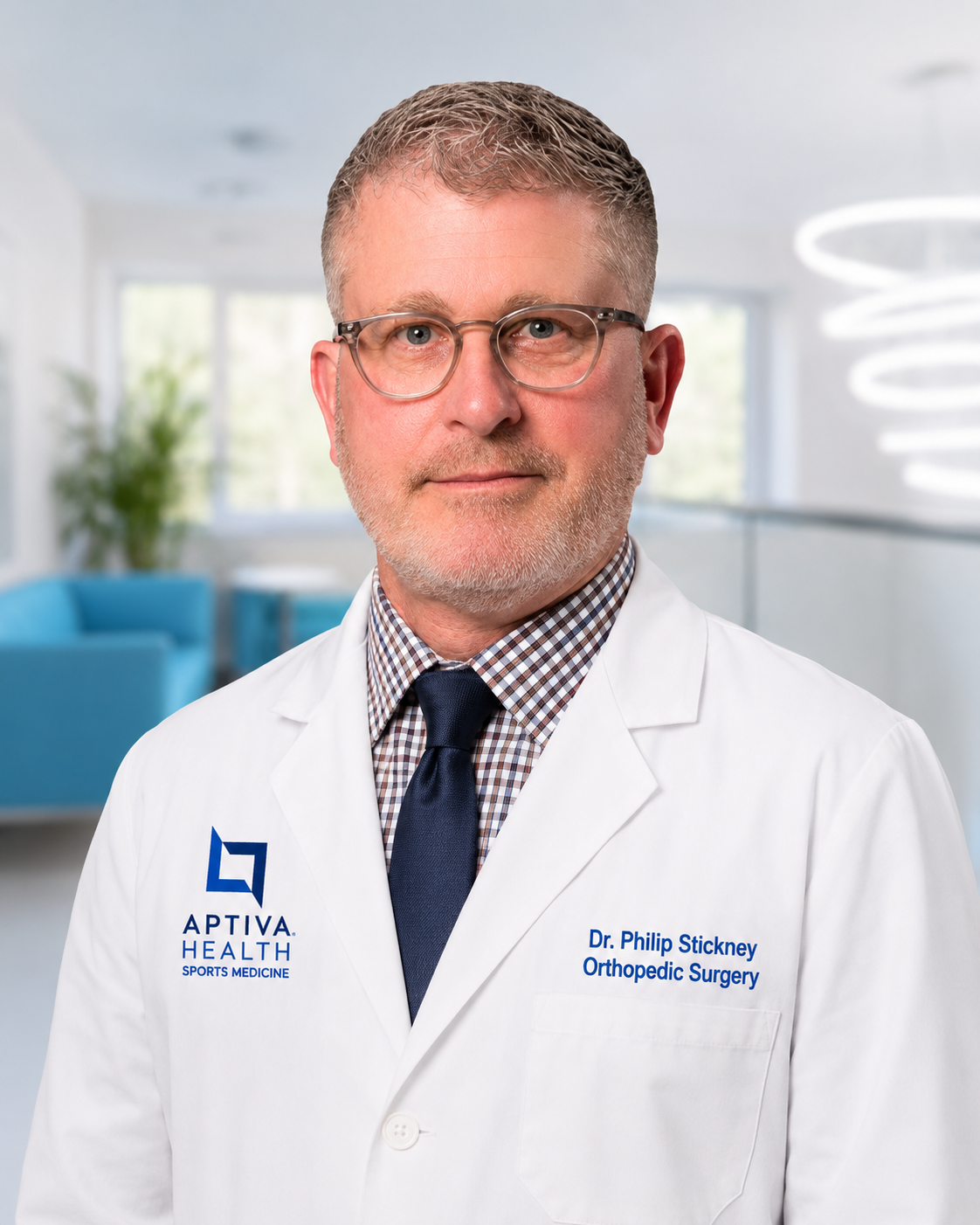
Dr. Philip Stickney — Orthopedic Surgeon
Board-Certified | 25+ Years of Experience
Dr. Stickney is a board-certified orthopedic surgeon with more than 25 years of clinical experience. He treats the full range of upper extremity conditions — including rotator cuff tear, labral tear, shoulder replacement, trigger finger, carpal tunnel, and cubital tunnel — along with hip and knee replacement and arthroscopic procedures. He earned his medical degree from Case Western Reserve University in Cleveland, completed his orthopedic training at Mt. Sinai and Akron General Medical Center in Ohio, and brings additional expertise from years as Co-Medical Director of OhioComp managing workers' compensation cases.

Dr. Shawn Price — Orthopedic Surgeon
Board-Certified | The Ohio State University
Dr. Price is a board-certified orthopedic surgeon and a graduate of The Ohio State University College of Medicine. He completed his orthopedic surgery residency at Penn State Hershey Medical Center and a Sarcoma Advanced Research and Clinical Fellowship at the University of Utah Huntsman Cancer Institute. Dr. Price treats joint pain and arthritis affecting the shoulder, hip, and knee, and brings expertise in complex bone and joint reconstruction. He has been practicing in Louisville and central Kentucky for more than 14 years.

Where We See Rotator Cuff Patients
We provide orthopedic and rotator cuff care at every Aptiva Health location across Kentucky and Indiana:
Louisville Metro
Concussion & Sports Medicine Institute — 3611 Newburg Road, Louisville, KY 40218. Tel: (502) 909-0772
Louisville – Central — 3615 Newburg Road, Louisville, KY 40218. Tel: (502) 909-0772
Louisville - Downtown — 300 S 13th Street, Louisville, KY 40203. Tel: (502) 583-1011
Louisville - East — 10100 Linn Station Road, Suite 1A, Louisville, KY 40223. Tel: (502) 909-0772
Louisville - Middletown — 401 N English Station Road, Suite 1A, Louisville, KY 40223. Tel: (502) 909-0772
Mt. Washington — 737 N Hwy 31E Bypass, Ste 2, Mt. Washington, KY 40047. Tel: (502) 909-0772
Central Kentucky
Lexington — 230 Fountain Court, Suite 180, Lexington, KY 40509. Tel: (859) 592-1008
Lexington Imaging Center — 426 Codell Drive, Lexington, KY 40509 (859) 592-1008
Lexington Physical Therapy — 152 W Tiverton Way, Suite 180, Louisville, KY 40503. Tel: (859) 592-1008
Southern Kentucky
Elizabethtown — 529 Westport Road, Ste 2, Elizabethtown, KY 42701. Tel: (270) 506-4888
Northern Kentucky / Greater Cincinnati
Northern Kentucky — 2093 Medical Arts Drive, Hebron, KY 41048. Tel: (859) 592-1008. serving Hebron, Florence, Covington, Newport, and the Cincinnati DMA
Indianapolis
Indianapolis — 6801 Gray Road, Indianapolis, IN 46237. Tel: (463) 303-0501.
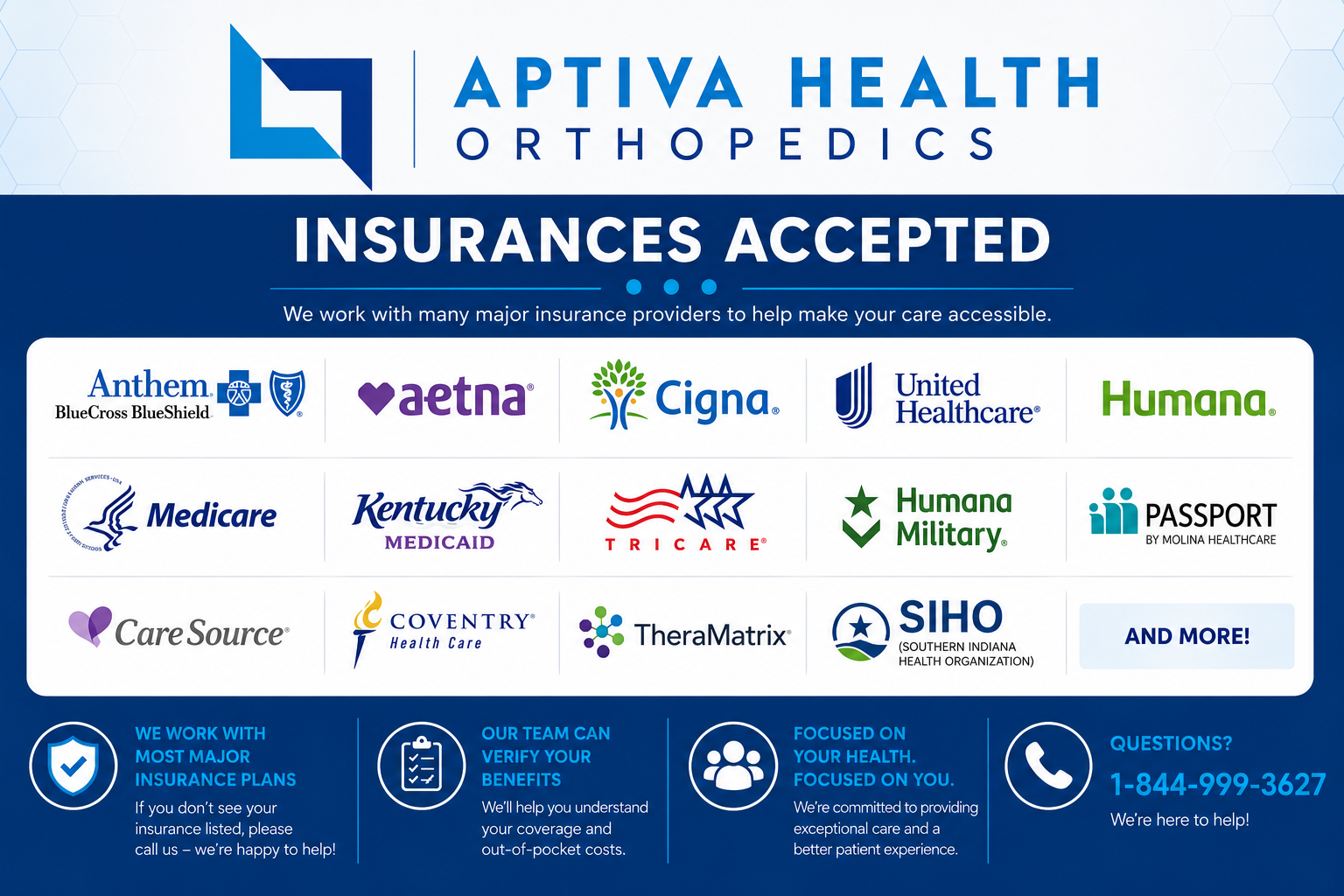
Insurance, Workers' Comp, Auto, and Cash Pay
Aptiva Health accepts most major medical insurance plans, Medicare, Medicare Advantage, Kentucky Medicaid (Passport Molina, United Healthcare Medicaid, Anthem Medicaid, Aetna Better Health, CareSource), workers' compensation, and auto accident coverage (PIP and MedPay). We also offer transparent cash-pay options — including $350 MRI — for patients without coverage or with high deductibles.
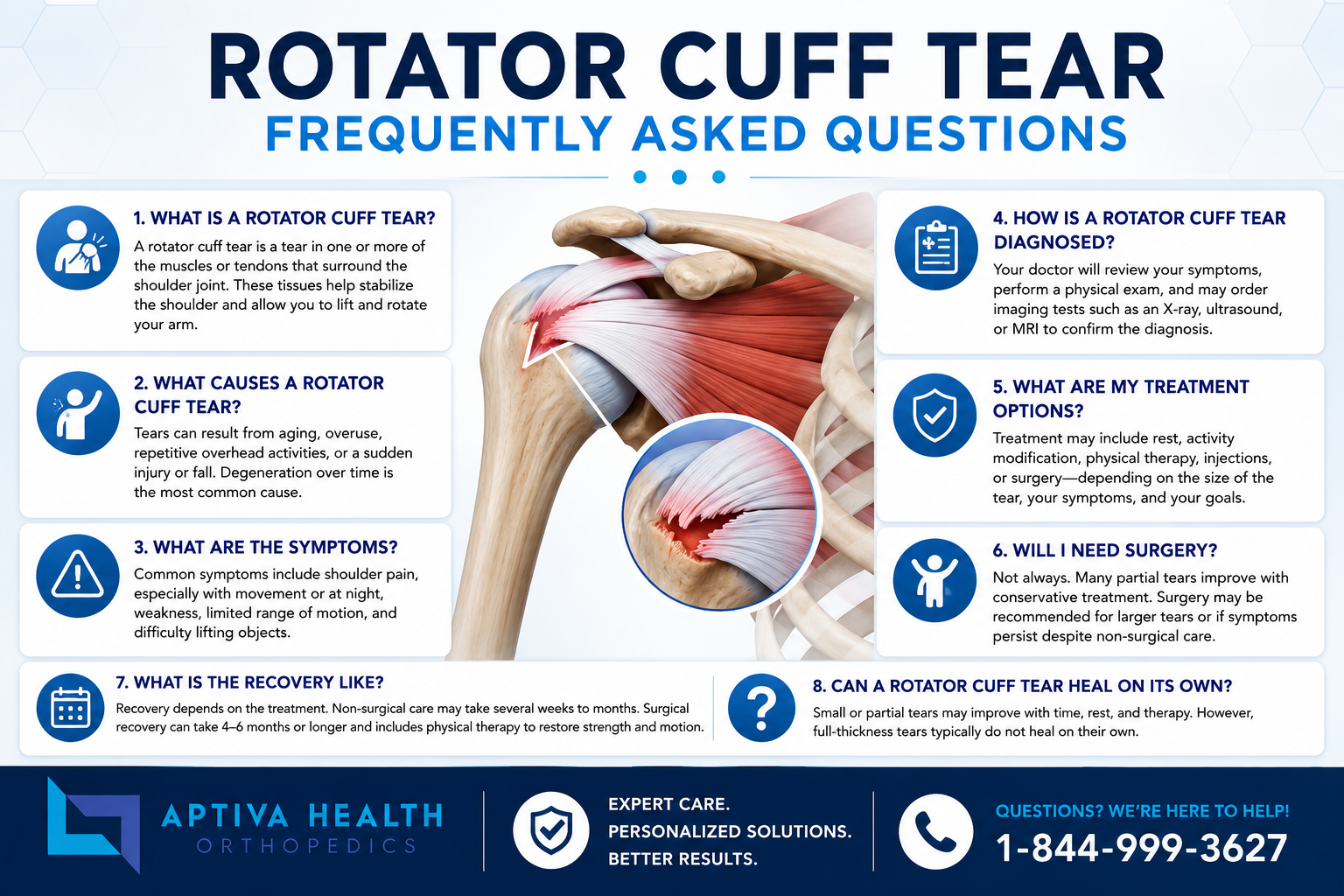
Frequently Asked Questions
What is a rotator cuff tear?
A rotator cuff tear is a partial or complete tear of one or more of the four tendons that connect your rotator cuff muscles to the upper arm bone. The supraspinatus tendon is torn most often. Tears can be acute (from a fall or sudden lift) or chronic (from years of wear and tear), and they range from small partial-thickness tears to massive full-thickness retracted tears.
What are the symptoms of a torn rotator cuff?
The most common symptoms are shoulder pain that is worse at night and when lying on the affected side, weakness when lifting or rotating the arm, limited range of motion, pain reaching overhead or behind the back, and a crackling or popping sensation in the shoulder. Pain that wakes you up at night is one of the most telling signs.
How do I know if I have a rotator cuff tear?
An orthopedic surgeon can usually identify a rotator cuff tear with a focused physical exam and an MRI. At Aptiva Health, we have on-site MRI at multiple locations, which allows most patients to be examined, imaged, and given a definitive diagnosis in a single visit instead of waiting weeks for a hospital MRI.
Can a rotator cuff tear heal on its own without surgery?
A torn rotator cuff tendon does not grow back together on its own. However, many partial-thickness tears and small full-thickness tears can be managed successfully without surgery using physical therapy, activity modification, anti-inflammatory medication, and corticosteroid injections. Whether surgery is necessary depends on the size of the tear, your age, your activity level, and how the shoulder responds to non-surgical treatment.
Will a rotator cuff tear get worse if I don't treat it?
Untreated full-thickness rotator cuff tears can progress over time. The tendon can retract, the muscle can atrophy, and the tear can grow larger, which makes surgical repair more difficult and reduces the chance of a strong, durable repair. Even when surgery is not immediately needed, evaluation by an orthopedic surgeon is important so the tear can be monitored and treated before it progresses.
Do I need surgery for a rotator cuff tear?
Not always. Many patients do well with physical therapy, injection, and time. Surgery is generally recommended when there is a full-thickness tear in a younger or active patient, when significant weakness limits daily activity, when an acute traumatic tear has occurred, or when several months of non-surgical treatment have not relieved symptoms.
What is arthroscopic rotator cuff repair?
Arthroscopic rotator cuff repair is a minimally invasive surgery in which the orthopedic surgeon makes a few small incisions, inserts a small camera into the shoulder, and uses specialized instruments to reattach the torn tendon to the bone using suture anchors. The surgery is performed at an outpatient ambulatory surgery center, and most patients go home the same day.
How long is recovery after rotator cuff surgery?
Most patients wear a sling for four to six weeks, begin passive physical therapy in the first week, transition to active motion at six weeks, and start strengthening at three months. Full return to overhead activity and heavy lifting usually occurs between six and twelve months, depending on the size of the tear and the demands of the patient's job or sport.
Can I get a same-day MRI for shoulder pain in Louisville, Lexington, or Northern Kentucky?
Yes. Aptiva Health offers on-site MRI at our orthopedic locations across Kentucky, with cash-pay MRI pricing starting at $350. Walk-in shoulder evaluation is available at our Immediate Injury Care Centers, and most patients can be examined and imaged in the same visit.
Where can I walk in for shoulder pain without an appointment?
Aptiva Health Immediate Injury Care Centers accept walk-in shoulder evaluations, including for suspected rotator cuff injuries. You'll be seen by a musculoskeletal specialist, not a general urgent care provider, and have access to on-site imaging when needed.
Who are the rotator cuff surgeons at Aptiva Health?
Aptiva Health's orthopedic team includes Dr. J. Steve Smith (Director of Orthopedics, Kerlan-Jobe fellowship-trained), Dr. Timothy Wilson (sports medicine fellowship-trained, ABOS-certified), Dr. Philip Stickney (board-certified, 25+ years of experience), and Dr. Shawn Price (board-certified). All four treat shoulder injuries, including rotator cuff tears.
Why does shoulder pain get worse at night with a rotator cuff tear?
Night pain is a hallmark symptom of rotator cuff disease. Lying down decreases blood flow to the already-poorly-vascularized cuff tendons, and pressure on the shoulder in side-lying positions compresses the inflamed tissues. Many patients describe being unable to sleep on the affected side, and this is one of the most common reasons patients with rotator cuff tears eventually seek treatment.
Does insurance cover rotator cuff surgery?
Yes. Rotator cuff repair is covered by most major medical insurance plans, Medicare, Medicare Advantage, Kentucky Medicaid, workers' compensation, and auto accident coverage (PIP and MedPay). Aptiva Health also offers cash-pay options for patients without coverage.
How do I get help for shoulder pain after hours?
The Hurt! App (Aptiva Now) gives patients 24/7 telehealth access to Aptiva Health providers for new shoulder injuries, post-operative questions, and care after hours. It is free to download and connects directly into the Aptiva Health care team.

Don't Wait on Shoulder Pain!
The earlier a rotator cuff tear is diagnosed, the more treatment options you have. Most rotator cuff problems are easier to fix when they're smaller — and many can be managed without surgery if they're caught in time.
Schedule Your Shoulder Consultation Walk In Today at Immediate Injury Care Get 24/7 Access via the Hurt! App